3-Hydroxybutyryl-CoA dehydrogenase
3-Hydroxybutyryl-CoA dehydrogenase
3-Hydroxybutyryl-CoA dehydrogenase is an enzyme that plays a crucial role in the metabolism of fatty acids. It is involved in the beta-oxidation pathway, which is the process by which fatty acids are broken down in the mitochondria to generate acetyl-CoA, the entry molecule for the citric acid cycle.
Function
3-Hydroxybutyryl-CoA dehydrogenase catalyzes the reversible conversion of 3-hydroxybutyryl-CoA to acetoacetyl-CoA. This reaction is an important step in the ketogenesis and ketolysis pathways, which are critical for energy production, especially during periods of fasting or carbohydrate restriction.
Mechanism
The enzyme uses NAD+ as a cofactor to oxidize the 3-hydroxy group of 3-hydroxybutyryl-CoA, forming acetoacetyl-CoA and NADH. This reaction is part of the oxidation-reduction processes that occur in the liver and other tissues.
Structure
3-Hydroxybutyryl-CoA dehydrogenase is a protein that typically functions as a dimer or tetramer. The active site of the enzyme binds to the substrate and the cofactor, facilitating the transfer of electrons during the reaction.
Clinical significance
Deficiencies or malfunctions in 3-hydroxybutyryl-CoA dehydrogenase can lead to metabolic disorders, as the enzyme is essential for the proper breakdown of fatty acids. Such conditions can result in the accumulation of ketone bodies and other metabolic intermediates, leading to ketoacidosis and other metabolic complications.
Related pages
Gallery
-
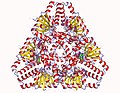 3-Hydroxybutyryl-CoA dehydrogenase structure
 -
 3-Hydroxybutyryl-CoA
 -
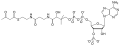 Acetoacetyl-CoA


Ad. Transform your life with W8MD's
GLP-1 weight loss injections special from $29.99 with insurance
|
WikiMD Medical Encyclopedia |
Medical Disclaimer: WikiMD is for informational purposes only and is not a substitute for professional medical advice. Content may be inaccurate or outdated and should not be used for diagnosis or treatment. Always consult your healthcare provider for medical decisions. Verify information with trusted sources such as CDC.gov and NIH.gov. By using this site, you agree that WikiMD is not liable for any outcomes related to its content. See full disclaimer.
Credits:Most images are courtesy of Wikimedia commons, and templates, categories Wikipedia, licensed under CC BY SA or similar.
Translate this page: - East Asian
中文,
日本,
한국어,
South Asian
हिन्दी,
தமிழ்,
తెలుగు,
Urdu,
ಕನ್ನಡ,
Southeast Asian
Indonesian,
Vietnamese,
Thai,
မြန်မာဘာသာ,
বাংলা
European
español,
Deutsch,
français,
Greek,
português do Brasil,
polski,
română,
русский,
Nederlands,
norsk,
svenska,
suomi,
Italian
Middle Eastern & African
عربى,
Turkish,
Persian,
Hebrew,
Afrikaans,
isiZulu,
Kiswahili,
Other
Bulgarian,
Hungarian,
Czech,
Swedish,
മലയാളം,
मराठी,
ਪੰਜਾਬੀ,
ગુજરાતી,
Portuguese,
Ukrainian
