Archaeological excavation
A rare genetic disorder affecting skeletal development
Antley–Bixler syndrome is a rare genetic disorder characterized by craniosynostosis, skeletal dysplasia, and other systemic abnormalities. It is named after Raymond Antley and David Bixler, who first described the condition in 1975. The syndrome is associated with mutations in the FGFR2 and POR genes, leading to abnormal development of bones and other tissues.
Presentation[edit]
Individuals with Antley–Bixler syndrome typically present with a variety of congenital anomalies. The most prominent features include:
- Craniosynostosis: Premature fusion of the cranial sutures, leading to an abnormal head shape and potential intracranial pressure issues.
- Midface hypoplasia: Underdevelopment of the midfacial region, which can result in respiratory difficulties and feeding problems.
- Radiohumeral synostosis: Fusion of the radius and humerus bones, limiting elbow movement.
- Femoral bowing: Curvature of the femur, which can affect mobility.
- Joint contractures: Stiffness and limited range of motion in various joints.
Additional features may include genital anomalies, renal malformations, and cardiac defects.
Genetics[edit]
Antley–Bixler syndrome can be inherited in an autosomal recessive or autosomal dominant manner, depending on the underlying genetic mutation. The autosomal recessive form is often associated with mutations in the POR gene, which is involved in steroidogenesis and drug metabolism. The autosomal dominant form is linked to mutations in the FGFR2 gene, which plays a critical role in bone development.
Diagnosis[edit]
Diagnosis of Antley–Bixler syndrome is based on clinical evaluation, radiographic imaging, and genetic testing. X-rays can reveal characteristic skeletal abnormalities, while genetic testing can confirm mutations in the FGFR2 or POR genes.
Management[edit]
Management of Antley–Bixler syndrome is multidisciplinary, involving pediatricians, geneticists, orthopedic surgeons, and other specialists. Treatment focuses on addressing specific symptoms and may include:
- Surgical intervention for craniosynostosis and other skeletal deformities.
- Physical therapy to improve joint mobility and muscle strength.
- Respiratory support for individuals with airway obstruction.
- Hormonal therapy for those with steroidogenesis defects.
Prognosis[edit]
The prognosis for individuals with Antley–Bixler syndrome varies depending on the severity of the condition and the presence of associated anomalies. Early intervention and comprehensive management can improve quality of life and functional outcomes.
Related pages[edit]
Gallery[edit]
-
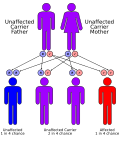 Autosomal recessive inheritance pattern

Ad. Transform your health with W8MD Weight Loss, Sleep & MedSpa

Tired of being overweight?
Special offer:
Budget GLP-1 weight loss medications
- Semaglutide starting from $29.99/week and up with insurance for visit of $59.99 and up per week self pay.
- Tirzepatide starting from $45.00/week and up (dose dependent) or $69.99/week and up self pay
✔ Same-week appointments, evenings & weekends
Learn more:
- GLP-1 weight loss clinic NYC
- W8MD's NYC medical weight loss
- W8MD Philadelphia GLP-1 shots
- Philadelphia GLP-1 injections
- Affordable GLP-1 shots NYC
|
WikiMD Medical Encyclopedia |
Medical Disclaimer: WikiMD is for informational purposes only and is not a substitute for professional medical advice. Content may be inaccurate or outdated and should not be used for diagnosis or treatment. Always consult your healthcare provider for medical decisions. Verify information with trusted sources such as CDC.gov and NIH.gov. By using this site, you agree that WikiMD is not liable for any outcomes related to its content. See full disclaimer.
Credits:Most images are courtesy of Wikimedia commons, and templates, categories Wikipedia, licensed under CC BY SA or similar.
Translate this page: - East Asian
中文,
日本,
한국어,
South Asian
हिन्दी,
தமிழ்,
తెలుగు,
Urdu,
ಕನ್ನಡ,
Southeast Asian
Indonesian,
Vietnamese,
Thai,
မြန်မာဘာသာ,
বাংলা
European
español,
Deutsch,
français,
Greek,
português do Brasil,
polski,
română,
русский,
Nederlands,
norsk,
svenska,
suomi,
Italian
Middle Eastern & African
عربى,
Turkish,
Persian,
Hebrew,
Afrikaans,
isiZulu,
Kiswahili,
Other
Bulgarian,
Hungarian,
Czech,
Swedish,
മലയാളം,
मराठी,
ਪੰਜਾਬੀ,
ગુજરાતી,
Portuguese,
Ukrainian
