Phenylpropanoid
Phenylpropanoids are a diverse family of organic compounds that are synthesized by plants from the amino acids phenylalanine and tyrosine. They play key roles in plant physiology, including defense against pathogens and UV radiation, and are responsible for the color and aroma of many fruits and flowers.
Biosynthesis
The biosynthesis of phenylpropanoids begins with the amino acids phenylalanine and tyrosine. These are converted into cinnamic acid and p-coumaric acid, respectively, by the action of the enzyme phenylalanine ammonia-lyase (PAL). These acids are then converted into their corresponding CoA esters by 4-coumarate:CoA ligase (4CL). The CoA esters are the precursors for the synthesis of a wide variety of phenylpropanoids.
Types of Phenylpropanoids
Phenylpropanoids can be classified into several major groups based on their chemical structures:
- Flavonoids: These are the most diverse group of phenylpropanoids, with over 6,000 known structures. They include anthocyanins, which give color to many fruits and flowers, and flavonols, which are important antioxidants.
- Lignans and Neolignans: These are derived from the dimerization of two phenylpropanoid units. They have a wide range of biological activities, including anti-cancer, anti-viral, and anti-inflammatory effects.
- Coumarins: These are derived from the cyclization of cinnamic acid derivatives. They have a wide range of biological activities, including anti-coagulant, anti-cancer, and anti-inflammatory effects.
- Phenolic acids: These include hydroxycinnamic acids and their derivatives, which are important antioxidants.
- Tannins: These are high molecular weight phenylpropanoids that are known for their ability to precipitate proteins.
Role in Plants
Phenylpropanoids play key roles in plant physiology. They are involved in the defense against pathogens and UV radiation, and contribute to the color and aroma of many fruits and flowers. They also play a role in plant growth and development, and in the response to environmental stress.
Health Benefits
Many phenylpropanoids have been shown to have health benefits. For example, flavonoids have antioxidant, anti-inflammatory, and anti-cancer properties. Lignans have been shown to have anti-cancer and heart health benefits. Coumarins have anti-coagulant and anti-cancer effects.
.svg)
This article is a biochemistry stub. You can help WikiMD by expanding it!
-
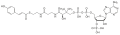 4-Coumaroyl-CoA
 -
 L-Phenylalanine
 -
 L-Tyrosine
 -
 Cinnamic acid
 -
 Coniferol
 -
 Safrole
 -
 Umbelliferone
 -
 Resveratrol


Ad. Transform your life with W8MD's
GLP-1 weight loss injections special from $29.99 with insurance
|
WikiMD Medical Encyclopedia |
Medical Disclaimer: WikiMD is for informational purposes only and is not a substitute for professional medical advice. Content may be inaccurate or outdated and should not be used for diagnosis or treatment. Always consult your healthcare provider for medical decisions. Verify information with trusted sources such as CDC.gov and NIH.gov. By using this site, you agree that WikiMD is not liable for any outcomes related to its content. See full disclaimer.
Credits:Most images are courtesy of Wikimedia commons, and templates, categories Wikipedia, licensed under CC BY SA or similar.
Translate this page: - East Asian
中文,
日本,
한국어,
South Asian
हिन्दी,
தமிழ்,
తెలుగు,
Urdu,
ಕನ್ನಡ,
Southeast Asian
Indonesian,
Vietnamese,
Thai,
မြန်မာဘာသာ,
বাংলা
European
español,
Deutsch,
français,
Greek,
português do Brasil,
polski,
română,
русский,
Nederlands,
norsk,
svenska,
suomi,
Italian
Middle Eastern & African
عربى,
Turkish,
Persian,
Hebrew,
Afrikaans,
isiZulu,
Kiswahili,
Other
Bulgarian,
Hungarian,
Czech,
Swedish,
മലയാളം,
मराठी,
ਪੰਜਾਬੀ,
ગુજરાતી,
Portuguese,
Ukrainian
