Farro
Farro is a food product that is composed of the grains of certain wheat species. The exact definition is debated, and it can refer to three types of hulled wheat: Spelt (Triticum spelta), Emmer (Triticum dicoccum), and Einkorn (Triticum monococcum). Farro is sold dried and is prepared by boiling until it has a firm but tender texture.
History
Farro originated in the Fertile Crescent, where it has been found in archaeological sites dating back to 7700 BC. It was a staple food in the ancient world, particularly in the Roman Empire, where it was used as a ration for the Roman Legions.
Cultivation
Farro is grown in many parts of the world, but it is most commonly found in Italy, particularly in the regions of Tuscany and Abruzzo. It is also grown in other parts of Europe, as well as in the United States and Canada.
Culinary Uses
Farro is used in a variety of dishes, including soups, salads, and risottos. It can also be used as a substitute for rice or pasta. In Italy, it is often used in the dish Farrotto, which is similar to risotto.
Nutritional Value
Farro is a rich source of protein, fiber, and vitamin B. It is also low in fat and cholesterol, making it a healthy choice for those looking to maintain a balanced diet.
See Also

-
 Minestra di farro
 -
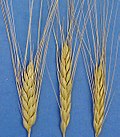 Farro
Farro -
 Gamberetti su insalata di farro


Ad. Transform your life with W8MD's
GLP-1 weight loss injections special from $29.99 with insurance
|
WikiMD Medical Encyclopedia |
Medical Disclaimer: WikiMD is for informational purposes only and is not a substitute for professional medical advice. Content may be inaccurate or outdated and should not be used for diagnosis or treatment. Always consult your healthcare provider for medical decisions. Verify information with trusted sources such as CDC.gov and NIH.gov. By using this site, you agree that WikiMD is not liable for any outcomes related to its content. See full disclaimer.
Credits:Most images are courtesy of Wikimedia commons, and templates, categories Wikipedia, licensed under CC BY SA or similar.
Translate this page: - East Asian
中文,
日本,
한국어,
South Asian
हिन्दी,
தமிழ்,
తెలుగు,
Urdu,
ಕನ್ನಡ,
Southeast Asian
Indonesian,
Vietnamese,
Thai,
မြန်မာဘာသာ,
বাংলা
European
español,
Deutsch,
français,
Greek,
português do Brasil,
polski,
română,
русский,
Nederlands,
norsk,
svenska,
suomi,
Italian
Middle Eastern & African
عربى,
Turkish,
Persian,
Hebrew,
Afrikaans,
isiZulu,
Kiswahili,
Other
Bulgarian,
Hungarian,
Czech,
Swedish,
മലയാളം,
मराठी,
ਪੰਜਾਬੀ,
ગુજરાતી,
Portuguese,
Ukrainian
