Female hysteria: Difference between revisions
CSV import |
CSV import |
||
| Line 1: | Line 1: | ||
{{SI}} | |||
{{Infobox medical condition | |||
| name = Female hysteria | |||
| image = [[File:hysteria.jpg|250px]] | |||
| caption = Historical depiction of a woman with hysteria | |||
| field = [[Psychiatry]] | |||
| symptoms = [[Anxiety]], [[shortness of breath]], [[fainting]], [[nervousness]], [[sexual desire]], [[insomnia]], [[fluid retention]], [[heaviness in the abdomen]], [[irritability]], [[loss of appetite for food or sex]], [[tendency to cause trouble]] | |||
| complications = [[Social stigma]], [[misdiagnosis]] | |||
| onset = [[Adolescence]] to [[adulthood]] | |||
| duration = [[Chronic]] | |||
| causes = [[Psychological stress]], [[social factors]] | |||
| risks = [[Gender]], [[cultural expectations]] | |||
| differential = [[Anxiety disorder]], [[depression]], [[bipolar disorder]] | |||
| treatment = [[Rest cure]], [[hydrotherapy]], [[hysterectomy]], [[vibrators]] | |||
| prognosis = [[Varies]] | |||
| frequency = [[Historical diagnosis]] | |||
}} | |||
Female hysteria was a formerly recognized medical diagnosis predominantly in Western Europe, characterized by a broad array of symptoms such as anxiety, fainting, insomnia, irritability, and various forms of restlessness. In many instances, it was tied to women's sexuality and behavior. The concept of female hysteria dates back to ancient times and was a prevalent diagnosis until the early 20th century. Currently, it is no longer accepted as a valid medical condition by modern medical authorities. | Female hysteria was a formerly recognized medical diagnosis predominantly in Western Europe, characterized by a broad array of symptoms such as anxiety, fainting, insomnia, irritability, and various forms of restlessness. In many instances, it was tied to women's sexuality and behavior. The concept of female hysteria dates back to ancient times and was a prevalent diagnosis until the early 20th century. Currently, it is no longer accepted as a valid medical condition by modern medical authorities. | ||
=== Historical Overview === | === Historical Overview === | ||
The term "[[hysteria]]" originated from the Greek word "hystera," meaning [[uterus]], reinforcing the gender-specific nature of the diagnosis. The condition was believed to be connected to the [[female reproductive system]], with symptoms thought to result from disturbances in the [[uterus]]. The idea persisted through the centuries, ingrained in medical and societal beliefs. | The term "[[hysteria]]" originated from the Greek word "hystera," meaning [[uterus]], reinforcing the gender-specific nature of the diagnosis. The condition was believed to be connected to the [[female reproductive system]], with symptoms thought to result from disturbances in the [[uterus]]. The idea persisted through the centuries, ingrained in medical and societal beliefs. | ||
During the Victorian era, hysteria was frequently diagnosed and used as a catch-all term for numerous unexplained symptoms women might present. Its treatment varied over time and included a range of interventions, from prescribed rest and massage to the controversial use of hysterectomy. | During the Victorian era, hysteria was frequently diagnosed and used as a catch-all term for numerous unexplained symptoms women might present. Its treatment varied over time and included a range of interventions, from prescribed rest and massage to the controversial use of hysterectomy. | ||
=== Symptoms and Diagnostic Criteria === | === Symptoms and Diagnostic Criteria === | ||
Symptoms attributed to female hysteria were diverse and vague, ranging from physical complaints such as shortness of breath, fluid retention, and heaviness in the abdomen, to psychological ones such as [[anxiety]], [[nervousness]], [[irritability]], and changes in appetite or sexual behavior. Often, these symptoms were tied to societal expectations and norms for female behavior, and diagnosis could be based on perceived deviations from these norms. | Symptoms attributed to female hysteria were diverse and vague, ranging from physical complaints such as shortness of breath, fluid retention, and heaviness in the abdomen, to psychological ones such as [[anxiety]], [[nervousness]], [[irritability]], and changes in appetite or sexual behavior. Often, these symptoms were tied to societal expectations and norms for female behavior, and diagnosis could be based on perceived deviations from these norms. | ||
=== Criticism and Discontinuation of the Diagnosis === | === Criticism and Discontinuation of the Diagnosis === | ||
The validity of female hysteria as a medical diagnosis began to be questioned in the late 19th century. Critics pointed out the gender bias inherent in the diagnosis and its use as a means of controlling women's behavior and reinforcing societal norms. | The validity of female hysteria as a medical diagnosis began to be questioned in the late 19th century. Critics pointed out the gender bias inherent in the diagnosis and its use as a means of controlling women's behavior and reinforcing societal norms. | ||
With the advancements in psychiatry and gynecology, as well as the rise of the feminist movement in the 20th century, the concept of female hysteria was debunked and ultimately discarded from medical practice. Many symptoms previously attributed to it were recognized as part of other legitimate psychological or medical conditions. | With the advancements in psychiatry and gynecology, as well as the rise of the feminist movement in the 20th century, the concept of female hysteria was debunked and ultimately discarded from medical practice. Many symptoms previously attributed to it were recognized as part of other legitimate psychological or medical conditions. | ||
=== Legacy and Modern Perspective === | === Legacy and Modern Perspective === | ||
The history of female hysteria serves as a reminder of the potential for societal norms and biases to influence medical practice. It highlights the importance of objective, evidence-based medicine and the recognition of women's health as a distinct and valid field of study. | The history of female hysteria serves as a reminder of the potential for societal norms and biases to influence medical practice. It highlights the importance of objective, evidence-based medicine and the recognition of women's health as a distinct and valid field of study. | ||
==Images== | |||
<gallery> | |||
File:Pelvicdouche.jpg|Female hysteria | |||
File:Female_patient_with_sleep_hysteria_Wellcome_L0040300.jpg|Female hysteria | |||
File:Charcot_experience_histeric-hipnotic.JPG|Female hysteria | |||
File:Hysteria_chart.png|Female hysteria | |||
</gallery> | |||
== See Also == | == See Also == | ||
* [[History of medicine]] | * [[History of medicine]] | ||
* [[Feminist movement]] | * [[Feminist movement]] | ||
| Line 33: | Line 45: | ||
[[Category:Women's health]] | [[Category:Women's health]] | ||
[[Category:Gender and health]] | [[Category:Gender and health]] | ||
Latest revision as of 16:19, 6 April 2025

Editor-In-Chief: Prab R Tumpati, MD
Obesity, Sleep & Internal medicine
Founder, WikiMD Wellnesspedia &
W8MD medical weight loss NYC and sleep center NYC
| Female hysteria | |
|---|---|

| |
| Synonyms | N/A |
| Pronounce | N/A |
| Specialty | N/A |
| Symptoms | Anxiety, shortness of breath, fainting, nervousness, sexual desire, insomnia, fluid retention, heaviness in the abdomen, irritability, loss of appetite for food or sex, tendency to cause trouble |
| Complications | Social stigma, misdiagnosis |
| Onset | Adolescence to adulthood |
| Duration | Chronic |
| Types | N/A |
| Causes | Psychological stress, social factors |
| Risks | Gender, cultural expectations |
| Diagnosis | N/A |
| Differential diagnosis | Anxiety disorder, depression, bipolar disorder |
| Prevention | N/A |
| Treatment | Rest cure, hydrotherapy, hysterectomy, vibrators |
| Medication | N/A |
| Prognosis | Varies |
| Frequency | Historical diagnosis |
| Deaths | N/A |
Female hysteria was a formerly recognized medical diagnosis predominantly in Western Europe, characterized by a broad array of symptoms such as anxiety, fainting, insomnia, irritability, and various forms of restlessness. In many instances, it was tied to women's sexuality and behavior. The concept of female hysteria dates back to ancient times and was a prevalent diagnosis until the early 20th century. Currently, it is no longer accepted as a valid medical condition by modern medical authorities.
Historical Overview[edit]
The term "hysteria" originated from the Greek word "hystera," meaning uterus, reinforcing the gender-specific nature of the diagnosis. The condition was believed to be connected to the female reproductive system, with symptoms thought to result from disturbances in the uterus. The idea persisted through the centuries, ingrained in medical and societal beliefs. During the Victorian era, hysteria was frequently diagnosed and used as a catch-all term for numerous unexplained symptoms women might present. Its treatment varied over time and included a range of interventions, from prescribed rest and massage to the controversial use of hysterectomy.
Symptoms and Diagnostic Criteria[edit]
Symptoms attributed to female hysteria were diverse and vague, ranging from physical complaints such as shortness of breath, fluid retention, and heaviness in the abdomen, to psychological ones such as anxiety, nervousness, irritability, and changes in appetite or sexual behavior. Often, these symptoms were tied to societal expectations and norms for female behavior, and diagnosis could be based on perceived deviations from these norms.
Criticism and Discontinuation of the Diagnosis[edit]
The validity of female hysteria as a medical diagnosis began to be questioned in the late 19th century. Critics pointed out the gender bias inherent in the diagnosis and its use as a means of controlling women's behavior and reinforcing societal norms. With the advancements in psychiatry and gynecology, as well as the rise of the feminist movement in the 20th century, the concept of female hysteria was debunked and ultimately discarded from medical practice. Many symptoms previously attributed to it were recognized as part of other legitimate psychological or medical conditions.
Legacy and Modern Perspective[edit]
The history of female hysteria serves as a reminder of the potential for societal norms and biases to influence medical practice. It highlights the importance of objective, evidence-based medicine and the recognition of women's health as a distinct and valid field of study.
Images[edit]
-
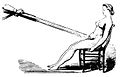 Female hysteria
 -
 Female hysteria
 -
 Female hysteria
 -
 Female hysteria


See Also[edit]
References[edit]
<references group="" responsive="1"></references>


