Amelanism: Difference between revisions
CSV import |
CSV import |
||
| Line 8: | Line 8: | ||
File:Brown_and_black_horse.JPG|Amelanistic Horse | File:Brown_and_black_horse.JPG|Amelanistic Horse | ||
</gallery> | </gallery> | ||
== Amelanism == | |||
'''Amelanism''' is a genetic condition characterized by the absence of melanin, the pigment responsible for coloration in the skin, hair, and eyes of animals. This condition is distinct from [[albinism]], which involves a complete lack of melanin production due to the absence or malfunction of the enzyme tyrosinase. Amelanism can occur in various species, including mammals, birds, reptiles, and amphibians. | |||
== Causes == | |||
Amelanism is caused by mutations in genes that are involved in the production and distribution of melanin. These mutations can affect the [[melanocyte]]s, the cells responsible for producing melanin, or the pathways that lead to melanin synthesis. Unlike albinism, which affects all types of melanin, amelanism specifically involves the absence of eumelanin, the type of melanin that gives black and brown coloration. | |||
== Characteristics == | |||
Animals with amelanism typically exhibit a lighter coloration compared to their normally pigmented counterparts. In mammals, this may result in a white or cream-colored coat, while in birds, it can lead to pale or white feathers. The eyes of amelanistic animals may appear blue or pink due to the lack of pigmentation in the iris, allowing the underlying blood vessels to show through. | |||
== Differences from Albinism == | |||
While both amelanism and albinism result in reduced pigmentation, they are distinct conditions. Albinism is characterized by a complete lack of melanin production, affecting both eumelanin and pheomelanin, and is often associated with vision problems due to the lack of pigmentation in the eyes. Amelanism, on the other hand, specifically involves the absence of eumelanin and may not affect vision to the same extent. | |||
== Occurrence in Nature == | |||
Amelanism can be observed in a variety of animal species. In reptiles, such as snakes and lizards, amelanistic individuals may be referred to as "albino" in the pet trade, although this is a misnomer. In birds, amelanism can result in leucistic individuals, which have reduced pigmentation but retain some color in their feathers. | |||
== Implications for Survival == | |||
The lack of melanin in amelanistic animals can have several implications for their survival. The absence of protective pigmentation can make these animals more susceptible to [[ultraviolet]] radiation and increase their risk of [[skin cancer]]. Additionally, their lighter coloration may make them more visible to predators, reducing their chances of survival in the wild. | |||
== Related Pages == | |||
* [[Albinism]] | |||
* [[Melanin]] | |||
* [[Leucism]] | |||
* [[Melanocyte]] | |||
{{Genetic disorders}} | |||
{{Pigmentation}} | |||
[[Category:Genetic disorders]] | |||
[[Category:Pigmentation disorders]] | |||
Latest revision as of 00:37, 19 February 2025
Amelanism[edit]
-
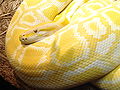 Amelanistic Burmese Python
 -
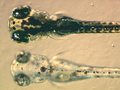 Amelanistic Zebrafish Embryos
 -
 Amelanistic Lab Mice
 -
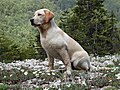 Amelanistic Afra
 -
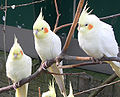 Amelanistic Cockatiel
 -
 Amelanistic Horse


Amelanism[edit]
Amelanism is a genetic condition characterized by the absence of melanin, the pigment responsible for coloration in the skin, hair, and eyes of animals. This condition is distinct from albinism, which involves a complete lack of melanin production due to the absence or malfunction of the enzyme tyrosinase. Amelanism can occur in various species, including mammals, birds, reptiles, and amphibians.
Causes[edit]
Amelanism is caused by mutations in genes that are involved in the production and distribution of melanin. These mutations can affect the melanocytes, the cells responsible for producing melanin, or the pathways that lead to melanin synthesis. Unlike albinism, which affects all types of melanin, amelanism specifically involves the absence of eumelanin, the type of melanin that gives black and brown coloration.
Characteristics[edit]
Animals with amelanism typically exhibit a lighter coloration compared to their normally pigmented counterparts. In mammals, this may result in a white or cream-colored coat, while in birds, it can lead to pale or white feathers. The eyes of amelanistic animals may appear blue or pink due to the lack of pigmentation in the iris, allowing the underlying blood vessels to show through.
Differences from Albinism[edit]
While both amelanism and albinism result in reduced pigmentation, they are distinct conditions. Albinism is characterized by a complete lack of melanin production, affecting both eumelanin and pheomelanin, and is often associated with vision problems due to the lack of pigmentation in the eyes. Amelanism, on the other hand, specifically involves the absence of eumelanin and may not affect vision to the same extent.
Occurrence in Nature[edit]
Amelanism can be observed in a variety of animal species. In reptiles, such as snakes and lizards, amelanistic individuals may be referred to as "albino" in the pet trade, although this is a misnomer. In birds, amelanism can result in leucistic individuals, which have reduced pigmentation but retain some color in their feathers.
Implications for Survival[edit]
The lack of melanin in amelanistic animals can have several implications for their survival. The absence of protective pigmentation can make these animals more susceptible to ultraviolet radiation and increase their risk of skin cancer. Additionally, their lighter coloration may make them more visible to predators, reducing their chances of survival in the wild.
Related Pages[edit]
| Genetic disorders relating to deficiencies of transcription factor or coregulators | ||||||||||||||||||||||||||||||||||
|---|---|---|---|---|---|---|---|---|---|---|---|---|---|---|---|---|---|---|---|---|---|---|---|---|---|---|---|---|---|---|---|---|---|---|
|
