Dicarboxylic acid: Difference between revisions
CSV import |
CSV import |
||
| Line 43: | Line 43: | ||
[[Category:Biochemistry]] | [[Category:Biochemistry]] | ||
[[Category:Industrial chemistry]] | [[Category:Industrial chemistry]] | ||
<gallery> | |||
File:Oxalsäure2.svg|Dicarboxylic acid | |||
File:Malonic_acid_structure.png|Dicarboxylic acid | |||
File:Succinic_acid.png|Dicarboxylic acid | |||
File:Glutaric_acid.png|Dicarboxylic acid | |||
File:Adipic_acid_structure.png|Dicarboxylic acid | |||
File:Pimelic_acid.png|Dicarboxylic acid | |||
File:Suberic_acid.png|Dicarboxylic acid | |||
File:1,4-cyclohexanedicarboxylicAcid.svg|Dicarboxylic acid | |||
File:Azelaic_acid.svg|Dicarboxylic acid | |||
File:Sebacic_acid.png|Dicarboxylic acid | |||
File:Undecanedioic_acid.svg|Dicarboxylic acid | |||
File:Dodecanedioic_acid_structure.svg|Dicarboxylic acid | |||
</gallery> | |||
Revision as of 12:16, 18 February 2025
Dicarboxylic acid refers to any organic compound that contains two carboxylic acid groups. These acids play a crucial role in various biological processes and are also significant in industrial applications. The general formula for dicarboxylic acids is HOOC-(R)-COOH, where R represents a hydrocarbon chain that can vary in length and may include additional functional groups.
Types of Dicarboxylic Acids
Dicarboxylic acids can be categorized based on the length of the carbon chain between the carboxylic acid groups. They range from short-chain to long-chain acids, each with distinct properties and applications.
Short-Chain Dicarboxylic Acids
Short-chain dicarboxylic acids have up to four carbon atoms. Examples include:
- Oxalic acid (HOOC-COOH), the simplest dicarboxylic acid, found in many plants and vegetables.
- Malonic acid (HOOC-CH2-COOH), used in the synthesis of barbiturates.
Medium-Chain Dicarboxylic Acids
Medium-chain dicarboxylic acids contain between five and ten carbon atoms. Notable examples are:
- Adipic acid (HOOC-(CH2)4-COOH), a key component in the production of nylon.
- Sebacic acid (HOOC-(CH2)8-COOH), used in the manufacture of certain plastics and cosmetics.
Long-Chain Dicarboxylic Acids
Long-chain dicarboxylic acids have more than ten carbon atoms. These acids, such as dodecanedioic acid, are less common but have specialized uses in high-performance polymers and lubricants.
Biological Importance
Dicarboxylic acids are integral to several metabolic pathways. For instance, succinic acid, a four-carbon dicarboxylic acid, plays a role in the citric acid cycle, which is vital for energy production in cells. Additionally, abnormal levels of certain dicarboxylic acids in the body can indicate metabolic disorders.
Industrial Applications
Dicarboxylic acids are used in the production of a wide range of products, including:
- Polymers and plastics, such as nylon and polyesters.
- Solvents and plasticizers that improve the flexibility and durability of materials.
- Cosmetics, where they function as pH adjusters and skin conditioning agents.
Environmental Impact
Some dicarboxylic acids, particularly those derived from petroleum, raise concerns regarding sustainability and environmental impact. However, bio-based alternatives, such as those obtained from renewable resources or through fermentation processes, are being developed to address these issues.
Safety and Handling
Dicarboxylic acids, like all chemicals, must be handled with care. They can cause irritation to the skin, eyes, and respiratory system. Proper safety measures, including the use of personal protective equipment (PPE), are essential when working with these substances.
See Also
-
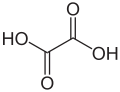 Dicarboxylic acid
 -
 Dicarboxylic acid
 -
 Dicarboxylic acid
 -
 Dicarboxylic acid
 -
 Dicarboxylic acid
 -
 Dicarboxylic acid
 -
 Dicarboxylic acid
 -
 Dicarboxylic acid
 -
 Dicarboxylic acid
 -
 Dicarboxylic acid
 -
 Dicarboxylic acid
 -
 Dicarboxylic acid


