Nitrovasodilator: Difference between revisions
CSV import |
CSV import |
||
| Line 29: | Line 29: | ||
{{pharmacology-stub}} | {{pharmacology-stub}} | ||
<gallery> | |||
File:Nitric-oxide-2D.png|Nitric Oxide | |||
File:Nitroglycerin.svg|Nitroglycerin | |||
File:Molsidomine.svg|Molsidomine | |||
File:Sodium-nitroprusside-2D.png|Sodium Nitroprusside | |||
</gallery> | |||
Latest revision as of 04:34, 18 February 2025
Nitrovasodilators are a group of pharmaceutical drugs that are used to treat and prevent cardiovascular diseases such as angina and heart failure. They work by releasing nitric oxide (NO), a potent vasodilator, which relaxes the smooth muscle in blood vessels, leading to vasodilation and increased blood flow.
Mechanism of Action[edit]
Nitrovasodilators release nitric oxide (NO), a gas that acts as a signaling molecule in the body. NO activates the enzyme guanylate cyclase, which increases the production of cyclic guanosine monophosphate (cGMP). cGMP then activates a series of protein kinase-dependent pathways, leading to the relaxation of smooth muscle cells in the blood vessels. This results in vasodilation, or the widening of blood vessels, which reduces vascular resistance and increases blood flow.
Clinical Uses[edit]
Nitrovasodilators are primarily used in the treatment of angina and heart failure. They can also be used to treat hypertension and certain types of pulmonary hypertension. In addition, they are used in the management of acute myocardial infarction (heart attack) and in the prevention of angina attacks.
Side Effects[edit]
Common side effects of nitrovasodilators include headache, dizziness, and flushing. Less common side effects can include hypotension (low blood pressure), tachycardia (fast heart rate), and syncope (fainting). In rare cases, nitrovasodilators can cause methemoglobinemia, a condition in which the blood's ability to carry oxygen is reduced.
Examples of Nitrovasodilators[edit]
Examples of nitrovasodilators include nitroglycerin, isosorbide dinitrate, and isosorbide mononitrate. These drugs are available in various forms, including tablets, sprays, patches, and injections.
See Also[edit]

-
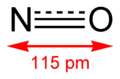 Nitric Oxide
 -
 Nitroglycerin
 -
 Molsidomine
 -
 Sodium Nitroprusside


