Allergic rhinitis: Difference between revisions
No edit summary |
No edit summary |
||
| Line 1: | Line 1: | ||
Allergic rhinitis | Allergic rhinitis | ||
[[File:Misc pollen colorized.jpg|thumb|Colorized image of pollen, a common allergen causing allergic rhinitis.]] | |||
[[File:Blausen 0015 AllergicRhinitis.png|thumb|Diagram illustrating the symptoms of allergic rhinitis.]] | |||
[[File:Epikutanni-test.jpg|thumb|Epicutaneous test, a method used to diagnose allergic rhinitis.]] | |||
Allergic rhinitis is caused by an | '''Allergic rhinitis''' is an [[inflammation]] of the inside of the [[nose]] caused by an [[allergen]], such as [[pollen]], [[dust]], [[mold]], or [[flakes of skin]] from certain animals. It is a common condition that affects many people worldwide. | ||
== | ==Signs and symptoms== | ||
The symptoms of allergic rhinitis include: | |||
* [[Sneezing]] | |||
* [[Itchy]] nose, eyes, or roof of the mouth | |||
* [[Runny nose]] | |||
* [[Nasal congestion]] | |||
* [[Postnasal drip]] | |||
* [[Cough]] | |||
* [[Fatigue]] | |||
These symptoms can vary in severity and may be seasonal or perennial, depending on the type of allergen involved. | |||
Allergic rhinitis is | ==Causes== | ||
Allergic rhinitis is triggered by an [[immune system]] response to an allergen. Common allergens include: | |||
* [[Pollen]] from trees, grasses, and weeds | |||
* [[Dust mites]] | |||
* [[Animal dander]] | |||
* [[Mold spores]] | |||
When a person with allergic rhinitis inhales an allergen, their immune system mistakenly identifies it as harmful and releases [[histamine]] and other chemicals, leading to the symptoms of an allergic reaction. | |||
Diagnosis of allergic rhinitis is typically based on | ==Diagnosis== | ||
Diagnosis of allergic rhinitis is typically based on a combination of medical history, physical examination, and allergy testing. Common diagnostic methods include: | |||
* [[Skin prick test]] | |||
* [[Blood test]] for specific [[IgE antibodies]] | |||
* [[Epicutaneous test]] | |||
==Treatment== | |||
Treatment for allergic rhinitis aims to relieve symptoms and may include: | |||
* [[Antihistamines]] | |||
* [[Decongestants]] | |||
* [[Nasal corticosteroids]] | |||
* [[Allergen immunotherapy]] | |||
Avoidance of known allergens is also a key strategy in managing allergic rhinitis. | |||
== | ==Prevention== | ||
Preventive measures for allergic rhinitis include: | |||
* Keeping windows closed during high pollen seasons | |||
* Using air filters | |||
* Regular cleaning to reduce dust and mold | |||
* Avoiding exposure to pets if allergic | |||
* [[ | ==Related pages== | ||
* [[ | * [[Asthma]] | ||
* [[ | * [[Sinusitis]] | ||
== | * [[Eczema]] | ||
* [[Anaphylaxis]] | |||
==Gallery== | |||
<gallery> | |||
File:Misc pollen colorized.jpg|Colorized image of pollen | |||
File:Blausen 0015 AllergicRhinitis.png|Diagram of allergic rhinitis symptoms | |||
File:Epikutanni-test.jpg|Epicutaneous test | |||
</gallery> | |||
[[Category:Allergology]] | [[Category:Allergology]] | ||
[[Category:Respiratory | [[Category:Respiratory diseases]] | ||
[[Category: | [[Category:Immune system disorders]] | ||
Revision as of 03:19, 12 February 2025
Allergic rhinitis


Allergic rhinitis is an inflammation of the inside of the nose caused by an allergen, such as pollen, dust, mold, or flakes of skin from certain animals. It is a common condition that affects many people worldwide.
Signs and symptoms
The symptoms of allergic rhinitis include:
- Sneezing
- Itchy nose, eyes, or roof of the mouth
- Runny nose
- Nasal congestion
- Postnasal drip
- Cough
- Fatigue
These symptoms can vary in severity and may be seasonal or perennial, depending on the type of allergen involved.
Causes
Allergic rhinitis is triggered by an immune system response to an allergen. Common allergens include:
- Pollen from trees, grasses, and weeds
- Dust mites
- Animal dander
- Mold spores
When a person with allergic rhinitis inhales an allergen, their immune system mistakenly identifies it as harmful and releases histamine and other chemicals, leading to the symptoms of an allergic reaction.
Diagnosis
Diagnosis of allergic rhinitis is typically based on a combination of medical history, physical examination, and allergy testing. Common diagnostic methods include:
- Skin prick test
- Blood test for specific IgE antibodies
- Epicutaneous test
Treatment
Treatment for allergic rhinitis aims to relieve symptoms and may include:
Avoidance of known allergens is also a key strategy in managing allergic rhinitis.
Prevention
Preventive measures for allergic rhinitis include:
- Keeping windows closed during high pollen seasons
- Using air filters
- Regular cleaning to reduce dust and mold
- Avoiding exposure to pets if allergic
Related pages
Gallery
-
 Colorized image of pollen
 -
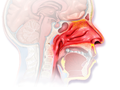 Diagram of allergic rhinitis symptoms
 -
 Epicutaneous test
