Bet v I allergen: Difference between revisions
CSV import Tags: mobile edit mobile web edit |
CSV import |
||
| Line 22: | Line 22: | ||
[[Category:Proteins]] | [[Category:Proteins]] | ||
{{medicine-stub}} | {{medicine-stub}} | ||
== Bet_v_I_allergen == | |||
<gallery> | |||
File:1bv1.png|1bv1 | |||
</gallery> | |||
Latest revision as of 21:11, 25 February 2025
Bet v 1 allergen is a major protein responsible for birch pollen allergy, a prevalent form of allergic reaction especially common in the temperate regions of the Northern Hemisphere. It belongs to the PR-10 family of plant proteins and is considered the primary cause of Type I hypersensitivity reactions in individuals exposed to birch pollen. This article delves into the characteristics, structure, and implications of the Bet v 1 allergen.
Characteristics[edit]
Bet v 1 is a small, globular protein predominantly found in the pollen of birch trees (Betula species), hence its name. It is also present in various fruits, nuts, and vegetables, leading to what is known as Oral Allergy Syndrome (OAS) or pollen-food syndrome in sensitive individuals. The protein is highly stable and can trigger immune responses even in minimal quantities.
Structure[edit]
The Bet v 1 allergen has a tertiary structure that is highly conserved among members of the PR-10 protein family. It consists of a seven-stranded anti-parallel beta-sheet and two alpha-helices, forming a hydrophobic core. This core is thought to be involved in the binding of ligands, although the exact biological function of Bet v 1 remains unclear. The protein's ability to bind various ligands is believed to contribute to its allergenicity, as it may facilitate the presentation of the allergen to the immune system.
Allergic Reaction[edit]
When an individual with a sensitized immune system inhales birch pollen containing Bet v 1, the protein binds to IgE antibodies on the surface of mast cells and basophils. This binding triggers the cells to release histamine and other inflammatory mediators, leading to symptoms of allergic rhinitis, such as sneezing, nasal congestion, itchy eyes, and in severe cases, asthma.
Cross-Reactivity[edit]
One of the notable features of Bet v 1 is its cross-reactivity with proteins from other plants. This is due to the structural similarities between Bet v 1 and certain proteins found in fruits, nuts, and vegetables. Individuals allergic to birch pollen may therefore experience allergic reactions to foods containing these similar proteins, a phenomenon known as Oral Allergy Syndrome (OAS).
Diagnosis and Treatment[edit]
Diagnosis of Bet v 1 allergy typically involves skin prick tests or specific IgE blood tests to confirm sensitivity to birch pollen. Management of the allergy primarily focuses on symptom relief through the use of antihistamines, corticosteroids, and in some cases, allergen immunotherapy. Allergen immunotherapy, also known as desensitization, aims to reduce the immune system's sensitivity to the allergen over time.
Conclusion[edit]
Bet v 1 allergen is a significant contributor to birch pollen allergy and related food allergies through cross-reactivity. Understanding its structure and function is crucial for developing targeted therapies to alleviate the symptoms of allergic reactions in affected individuals.

Bet_v_I_allergen[edit]
-
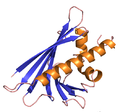 1bv1
1bv1

