Commonly prescribed drugs: Difference between revisions
CSV import |
CSV import |
||
| Line 36: | Line 36: | ||
[[Category:Medicine]] | [[Category:Medicine]] | ||
{{pharmacology-stub}} | {{pharmacology-stub}} | ||
<gallery> | |||
File:Betaloc_ZOK.jpg|Betaloc ZOK (Metoprolol) | |||
File:Norvasc_Amlodipine.jpg|Norvasc (Amlodipine) | |||
File:Nitroglycerin_(1).JPG|Nitroglycerin | |||
File:Aspirin_(1).jpg|Aspirin | |||
File:Plavix_2007-04-19.jpg|Plavix (Clopidogrel) | |||
File:Crestor_Tablets_(rosuvastatin).jpg|Crestor (Rosuvastatin) | |||
File:Salbutamol2.JPG|Salbutamol | |||
File:Antibiotics_Mechanisms_of_action.png|Antibiotics Mechanisms of Action | |||
File:Fluticasonejf.JPG|Fluticasone | |||
</gallery> | |||
Latest revision as of 11:24, 18 February 2025
Commonly Prescribed Drugs
Commonly prescribed drugs are medications that healthcare providers frequently recommend to treat a wide range of conditions. These medications can vary widely in their purposes, including treating chronic conditions, managing symptoms, or curing infections. This article will provide an overview of some of the most commonly prescribed classes of drugs, their uses, and important considerations.
Antibiotics[edit]
Antibiotics are drugs used to treat bacterial infections. They work by killing bacteria or preventing their growth. Commonly prescribed antibiotics include Amoxicillin, Ciprofloxacin, and Azithromycin. It is crucial to use antibiotics responsibly to avoid the development of antibiotic-resistant bacteria.
Antihypertensives[edit]
Antihypertensives are medications used to lower blood pressure in individuals with hypertension. Examples include ACE inhibitors like Lisinopril, Beta blockers like Atenolol, and Calcium channel blockers like Amlodipine. Managing blood pressure is vital for preventing heart disease and stroke.
Statins[edit]
Statins are a class of drugs prescribed to lower Cholesterol levels in the blood, thereby reducing the risk of Heart disease. Common statins include Atorvastatin, Simvastatin, and Rosuvastatin. They work by inhibiting an enzyme involved in cholesterol production in the liver.
Antidepressants[edit]
Antidepressants are medications used to treat depression and other mental health conditions. They can affect neurotransmitters in the brain to improve mood and symptoms. Popular antidepressants include SSRIs (e.g., Sertraline, Fluoxetine), and Tricyclic antidepressants (e.g., Amitriptyline).
Analgesics[edit]
Analgesics, or pain relievers, are used to manage pain. They range from over-the-counter options like Ibuprofen and Acetaminophen to prescription medications such as Opioids (e.g., Oxycodone, Morphine). Opioids are potent pain relievers but carry a high risk of addiction and overdose.
Bronchodilators[edit]
Bronchodilators are commonly prescribed for conditions like Asthma and COPD. They help relax muscles around the airways, making it easier to breathe. Examples include Albuterol and Salmeterol.
Insulins and Antidiabetics[edit]
For individuals with diabetes, maintaining blood sugar levels is crucial. Insulin and antidiabetic drugs like Metformin and Sulfonylureas are commonly prescribed to manage the condition.
Proton Pump Inhibitors[edit]
Proton pump inhibitors (PPIs) like Omeprazole and Esomeprazole are used to treat GERD, ulcers, and other stomach acid-related conditions. They work by reducing the amount of acid produced in the stomach.
Contraceptives[edit]
Contraceptives are prescribed for birth control and to manage other health conditions. They include oral contraceptives (the pill), IUDs, and hormonal patches.
Considerations[edit]
When taking any prescribed medication, it's important to follow your healthcare provider's instructions closely, including dosage and timing. Be aware of potential side effects and interactions with other medications. Always discuss any concerns or questions with your healthcare provider.

-
 Betaloc ZOK (Metoprolol)
 -
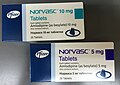 Norvasc (Amlodipine)
 -
 Nitroglycerin
 -
 Aspirin
 -
Plavix (Clopidogrel)
-
Crestor (Rosuvastatin)
-
Salbutamol
-
Antibiotics Mechanisms of Action
-
Fluticasone


.JPG)
.jpg)


.jpg)


