Lumpia: Difference between revisions
CSV import Tags: mobile edit mobile web edit |
CSV import |
||
| Line 23: | Line 23: | ||
{{Philippine-cuisine-stub}} | {{Philippine-cuisine-stub}} | ||
{{food-stub}} | {{food-stub}} | ||
<gallery> | |||
File:Loenpia_Semarang.JPG|Lumpia | |||
File:Lumpiang_ubod_(Filipino_heart_of_palm_spring_roll).jpg|Lumpia | |||
File:Lumpia.JPG|Lumpia | |||
File:Loenpia_Gang_Lombok_Semarang.jpg|Lumpia | |||
File:Lumpia_at_Teh_Jawa,_Purwokerto_Station,_Purwokerto_2015-03-20.jpg|Lumpia | |||
File:Lumpia_belum_digoreng.JPG|Lumpia | |||
File:Jajanan_khas_sidoarjo_Lumpia_Mercon_2014-03-02_16-17.jpg|Lumpia | |||
File:Lumpis,_lumpia_pisang_in_Bojonegoro.jpg|Lumpia | |||
File:Piscok_1.jpg|Lumpia | |||
File:Sumpia,_Groningen_(2019)_01.jpg|Lumpia | |||
File:Fresh_lumpia.jpg|Lumpia | |||
File:Ube_turon_(Philippines).jpg|Lumpia | |||
</gallery> | |||
Latest revision as of 12:11, 18 February 2025
Lumpia is a traditional Filipino dish, similar to a spring roll, which is often served as an appetizer or snack. It is a popular food item in the Philippines and in other countries with Filipino communities.
History[edit]
The term "lumpia" comes from the Hokkien Chinese word "lunpia," which is a type of spring roll. The dish was introduced to the Philippines by Chinese immigrants and traders, and it has since become a staple in Filipino cuisine.
Preparation[edit]
Lumpia is typically made with a mixture of chopped vegetables, minced meat, and sometimes shrimp, which is then wrapped in a thin pastry skin. The filling is often seasoned with soy sauce, garlic, and onions. There are many variations of lumpia, including Lumpiang Shanghai (meat-filled lumpia), Lumpiang Sariwa (fresh lumpia), and Lumpiang Ubod (heart of palm lumpia).
Serving[edit]
Lumpia is usually served with a dipping sauce, such as vinegar, soy sauce, or a sweet and sour sauce. It can be served as a main dish, a side dish, or a snack. In the Philippines, lumpia is often served at special occasions and gatherings.
Cultural Significance[edit]
Lumpia has become a symbol of Filipino culture and hospitality. It is often prepared for family gatherings, festivals, and other special occasions. It is also a popular street food in the Philippines.
See Also[edit]


-
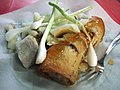 Lumpia
 -
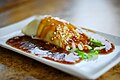 Lumpia
 -
 Lumpia
 -
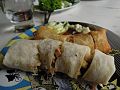 Lumpia
 -
 Lumpia
 -
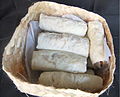 Lumpia
 -
 Lumpia
 -
 Lumpia
 -
 Lumpia
 -
 Lumpia
 -
 Lumpia
 -
 Lumpia

.jpg)


_01.jpg)

.jpg)
