Waterzooi
A traditional Belgian stew
Waterzooi is a traditional Belgian stew originating from the region of Flanders. It is known for its creamy texture and rich flavor, typically made with either fish or chicken, and a variety of vegetables.
Etymology[edit]
The name "waterzooi" comes from the Dutch words "water" meaning "water" and "zooien" meaning "to boil". This reflects the dish's method of preparation, which involves simmering the ingredients in a flavorful broth.
History[edit]
Waterzooi is believed to have originated in the city of Ghent, where it was traditionally made with fish from the local rivers. Over time, as the availability of fish declined, chicken became a popular alternative. Today, both versions are enjoyed throughout Belgium.
Ingredients[edit]
The main ingredients of waterzooi include:
- Chicken or fish (such as pike, carp, or eel)
- Vegetables such as leeks, carrots, celery, and potatoes
- Herbs like parsley, thyme, and bay leaves
- Egg yolks and cream to thicken the broth
- Butter and stock (either chicken or fish stock)
Preparation[edit]
The preparation of waterzooi involves several steps:
- Broth Preparation: The base of the dish is a rich broth made by simmering the chicken or fish with vegetables and herbs.
- Cooking the Meat: The chosen protein is gently poached in the broth until tender.
- Thickening the Broth: A mixture of egg yolks and cream is added to the broth to create a creamy consistency.
- Final Assembly: The cooked meat and vegetables are combined with the thickened broth and served hot.
Serving[edit]
Waterzooi is typically served in a deep bowl, accompanied by crusty bread or boiled potatoes. It is a comforting dish, often enjoyed during the colder months.
Variations[edit]
While the traditional versions of waterzooi use chicken or fish, modern variations may include other types of meat or seafood. Some recipes also incorporate additional vegetables or spices to enhance the flavor.
Cultural Significance[edit]
Waterzooi is considered a quintessential dish of Belgian cuisine, showcasing the country's culinary heritage. It is often featured in Belgian restaurants and is a popular choice for festive occasions.
Related pages[edit]
-
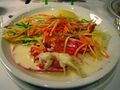 Waterzooi
_(79743868).jpg)

Medical Disclaimer: WikiMD is for informational purposes only and is not a substitute for professional medical advice. Content may be inaccurate or outdated and should not be used for diagnosis or treatment. Always consult your healthcare provider for medical decisions. Verify information with trusted sources such as CDC.gov and NIH.gov. By using this site, you agree that WikiMD is not liable for any outcomes related to its content. See full disclaimer.
Credits:Most images are courtesy of Wikimedia commons, and templates, categories Wikipedia, licensed under CC BY SA or similar.
Translate page: - East Asian
中文,
日本,
한국어,
South Asian
हिन्दी,
தமிழ்,
తెలుగు,
Urdu,
ಕನ್ನಡ,
Southeast Asian
Indonesian,
Vietnamese,
Thai,
မြန်မာဘာသာ,
বাংলা
European
español,
Deutsch,
français,
Greek,
português do Brasil,
polski,
română,
русский,
Nederlands,
norsk,
svenska,
suomi,
Italian
Middle Eastern & African
عربى,
Turkish,
Persian,
Hebrew,
Afrikaans,
isiZulu,
Kiswahili,
Other
Bulgarian,
Hungarian,
Czech,
Swedish,
മലയാളം,
मराठी,
ਪੰਜਾਬੀ,
ગુજરાતી,
Portuguese,
Ukrainian

