Torrontés
Torrontés is a name given to several varieties of white wine grapes in Spain and Argentina, which produce fresh, aromatic wines with moderate acidity. The name "Torrontés" is derived from the Spanish word "torrontón," which means "large turreted."
Varieties[edit]
There are three main varieties of Torrontés: Torrontés Riojano, Torrontés Sanjuanino, and Torrontés Mendocino.
- Torrontés Riojano is the most common variety, primarily grown in the La Rioja, Salta and Catamarca regions of Argentina. It is known for its distinctive floral aroma, often likened to roses or geraniums, and its crisp, fruity flavor.
- Torrontés Sanjuanino is primarily grown in the San Juan and Mendoza regions of Argentina. It is similar to Torrontés Riojano in aroma and flavor, but typically has a slightly lower acidity.
- Torrontés Mendocino is the least common of the three varieties and is rarely used for wine production. It is primarily grown in the Mendoza region of Argentina.
Wine Production[edit]
Torrontés wines are typically vinified to be drunk young and fresh. The wines are often unoaked, allowing the vibrant fruit and floral flavors to shine through. They are typically medium-bodied, with moderate acidity and alcohol levels. The wines are often used as aperitifs or paired with light dishes such as seafood or poultry.
History[edit]
The origins of Torrontés are unclear, but it is believed to have been brought to Argentina by Spanish missionaries in the 16th century. The grape has since become synonymous with Argentine white wine, and is now the most widely planted white grape variety in the country.
See Also[edit]


Torrontés[edit]
-
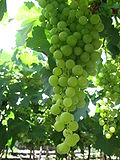 Torrontés grapes
 -
 Mission grapes
 -
 Argentine provinces growing Torrontés
 -
 Argentina Torrontés
 -
 Cafayate vineyard


Medical Disclaimer: WikiMD is for informational purposes only and is not a substitute for professional medical advice. Content may be inaccurate or outdated and should not be used for diagnosis or treatment. Always consult your healthcare provider for medical decisions. Verify information with trusted sources such as CDC.gov and NIH.gov. By using this site, you agree that WikiMD is not liable for any outcomes related to its content. See full disclaimer.
Credits:Most images are courtesy of Wikimedia commons, and templates, categories Wikipedia, licensed under CC BY SA or similar.
Translate page: - East Asian
中文,
日本,
한국어,
South Asian
हिन्दी,
தமிழ்,
తెలుగు,
Urdu,
ಕನ್ನಡ,
Southeast Asian
Indonesian,
Vietnamese,
Thai,
မြန်မာဘာသာ,
বাংলা
European
español,
Deutsch,
français,
Greek,
português do Brasil,
polski,
română,
русский,
Nederlands,
norsk,
svenska,
suomi,
Italian
Middle Eastern & African
عربى,
Turkish,
Persian,
Hebrew,
Afrikaans,
isiZulu,
Kiswahili,
Other
Bulgarian,
Hungarian,
Czech,
Swedish,
മലയാളം,
मराठी,
ਪੰਜਾਬੀ,
ગુજરાતી,
Portuguese,
Ukrainian

