Soup soy sauce
Soup soy sauce is a type of soy sauce predominantly used in Korean cuisine. It is traditionally brewed and aged, resulting in a flavor profile that is more complex and less salty than common soy sauce. Soup soy sauce is primarily used in soup dishes, hence its name.
History[edit]
The history of soup soy sauce dates back to the Joseon Dynasty in Korea, where it was a staple condiment in traditional Korean cooking. The production process has been passed down through generations, maintaining its traditional methods and ingredients.
Production[edit]
The production of soup soy sauce involves a fermentation process that can take several months to complete. The primary ingredients are soybeans, wheat, salt, and water. The soybeans and wheat are first soaked and boiled, then mixed with a fermentation starter known as meju. The mixture is left to ferment, during which time it develops its unique flavor and aroma.
Usage[edit]
Soup soy sauce is used in a variety of Korean dishes, most notably in soups and stews. It is also used in marinades and sauces, and as a dipping sauce for Korean pancakes and dumplings. Its rich, savory flavor enhances the taste of various ingredients, making it a versatile condiment in Korean cuisine.
Varieties[edit]
There are several varieties of soup soy sauce, each with its own unique flavor profile. These include jangjang, a dark and richly flavored sauce; gukganjang, a lighter and less salty sauce; and yangjojang, a premium sauce that is aged for a longer period of time.
See also[edit]
This soy related article is a stub. You can help WikiMD by expanding it.

-
Gukganjang, a type of soup soy sauce
-
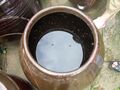 Traditional Korean soy sauce


Medical Disclaimer: WikiMD is for informational purposes only and is not a substitute for professional medical advice. Content may be inaccurate or outdated and should not be used for diagnosis or treatment. Always consult your healthcare provider for medical decisions. Verify information with trusted sources such as CDC.gov and NIH.gov. By using this site, you agree that WikiMD is not liable for any outcomes related to its content. See full disclaimer.
Credits:Most images are courtesy of Wikimedia commons, and templates, categories Wikipedia, licensed under CC BY SA or similar.
Translate page: - East Asian
中文,
日本,
한국어,
South Asian
हिन्दी,
தமிழ்,
తెలుగు,
Urdu,
ಕನ್ನಡ,
Southeast Asian
Indonesian,
Vietnamese,
Thai,
မြန်မာဘာသာ,
বাংলা
European
español,
Deutsch,
français,
Greek,
português do Brasil,
polski,
română,
русский,
Nederlands,
norsk,
svenska,
suomi,
Italian
Middle Eastern & African
عربى,
Turkish,
Persian,
Hebrew,
Afrikaans,
isiZulu,
Kiswahili,
Other
Bulgarian,
Hungarian,
Czech,
Swedish,
മലയാളം,
मराठी,
ਪੰਜਾਬੀ,
ગુજરાતી,
Portuguese,
Ukrainian


.jpg)