Sikhye
Sikhye[edit]

Sikhye (식혜) is a traditional Korean sweet rice beverage, often served as a dessert. It is made by fermenting cooked rice with malt water, which results in a sweet, slightly tangy drink with floating grains of rice. Sikhye is a popular beverage in Korea, enjoyed for its refreshing taste and digestive benefits.
Preparation[edit]
The preparation of Sikhye involves several steps. First, malted barley is soaked in water to extract the enzymes necessary for fermentation. This malt water is then mixed with cooked rice and left to ferment at a warm temperature. During fermentation, the enzymes break down the starches in the rice into sugars, creating the sweet flavor characteristic of Sikhye.
After fermentation, the mixture is boiled to stop the enzymatic activity and to develop the flavor. The liquid is then strained to remove the solids, and the resulting beverage is chilled before serving. Some variations of Sikhye include additional ingredients such as ginger or pine nuts for added flavor.
Variations[edit]

There are several regional and seasonal variations of Sikhye. One popular variation is Hobak-sikhye, which includes pumpkin in the fermentation process, giving the drink a distinct flavor and color. Another variation is Andong-sikhye, which is unique to the Andong region and is known for its thicker consistency and the inclusion of additional ingredients like dried persimmons.

Cultural Significance[edit]
Sikhye is more than just a beverage; it holds cultural significance in Korean society. It is traditionally served during Korean New Year and other festive occasions as a symbol of good fortune and health. The drink is also believed to aid digestion, making it a popular choice after heavy meals.
In Korean culture, Sikhye is often associated with hospitality and is commonly offered to guests as a gesture of welcome and goodwill.
Related Pages[edit]
Gallery[edit]
-
 Andong-sikhye served with gotgam-mari and strawberries
 -
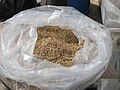 Yeot-gireum, a traditional Korean sweetener used in some Sikhye recipes
 -
 A glass of Sikhye served chilled


Medical Disclaimer: WikiMD is for informational purposes only and is not a substitute for professional medical advice. Content may be inaccurate or outdated and should not be used for diagnosis or treatment. Always consult your healthcare provider for medical decisions. Verify information with trusted sources such as CDC.gov and NIH.gov. By using this site, you agree that WikiMD is not liable for any outcomes related to its content. See full disclaimer.
Credits:Most images are courtesy of Wikimedia commons, and templates, categories Wikipedia, licensed under CC BY SA or similar.
Translate this page: - East Asian
中文,
日本,
한국어,
South Asian
हिन्दी,
தமிழ்,
తెలుగు,
Urdu,
ಕನ್ನಡ,
Southeast Asian
Indonesian,
Vietnamese,
Thai,
မြန်မာဘာသာ,
বাংলা
European
español,
Deutsch,
français,
Greek,
português do Brasil,
polski,
română,
русский,
Nederlands,
norsk,
svenska,
suomi,
Italian
Middle Eastern & African
عربى,
Turkish,
Persian,
Hebrew,
Afrikaans,
isiZulu,
Kiswahili,
Other
Bulgarian,
Hungarian,
Czech,
Swedish,
മലയാളം,
मराठी,
ਪੰਜਾਬੀ,
ગુજરાતી,
Portuguese,
Ukrainian
