Seirogan
Seirogan is a traditional Japanese medicine used primarily for the treatment of gastrointestinal disorders. It is a type of Kampo medicine, which is a system of herbal medicine practiced in Japan. Seirogan is made from a combination of natural ingredients, including wood creosote, Phellodendron bark, and powdered Gambir.
History[edit]
Seirogan was first developed in the early 20th century and has been used in Japan for over 100 years. It was originally used by the Japanese military as a treatment for diarrhea and other gastrointestinal disorders. Today, it is widely available over-the-counter in Japan and is also sold in other countries.
Uses[edit]
Seirogan is used to treat a variety of gastrointestinal disorders, including diarrhea, abdominal pain, and bloating. It is also used to treat nausea and vomiting, particularly when these symptoms are caused by a gastrointestinal disorder.
Mechanism of Action[edit]
The active ingredient in Seirogan, wood creosote, works by slowing down the movement of the intestines. This helps to reduce the frequency of bowel movements and can also help to relieve abdominal pain and bloating. The other ingredients in Seirogan, Phellodendron bark and powdered Gambir, have anti-inflammatory and astringent properties, which can help to soothe the digestive tract and reduce inflammation.
Side Effects[edit]
Like all medicines, Seirogan can cause side effects, although not everybody gets them. Common side effects include nausea, vomiting, and stomach pain. If these side effects persist or worsen, it is recommended to stop taking Seirogan and consult a healthcare professional.
Precautions[edit]
Before taking Seirogan, it is important to consult a healthcare professional if you are pregnant, breastfeeding, or have a medical condition such as liver disease or kidney disease. It is also important to inform your healthcare professional if you are taking any other medications, as Seirogan may interact with them.
See Also[edit]
References[edit]
External Links[edit]

-
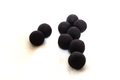 Seirogan
 -
 Seirogan advertisement in 1930s


Medical Disclaimer: WikiMD is for informational purposes only and is not a substitute for professional medical advice. Content may be inaccurate or outdated and should not be used for diagnosis or treatment. Always consult your healthcare provider for medical decisions. Verify information with trusted sources such as CDC.gov and NIH.gov. By using this site, you agree that WikiMD is not liable for any outcomes related to its content. See full disclaimer.
Credits:Most images are courtesy of Wikimedia commons, and templates, categories Wikipedia, licensed under CC BY SA or similar.
Translate page: - East Asian
中文,
日本,
한국어,
South Asian
हिन्दी,
தமிழ்,
తెలుగు,
Urdu,
ಕನ್ನಡ,
Southeast Asian
Indonesian,
Vietnamese,
Thai,
မြန်မာဘာသာ,
বাংলা
European
español,
Deutsch,
français,
Greek,
português do Brasil,
polski,
română,
русский,
Nederlands,
norsk,
svenska,
suomi,
Italian
Middle Eastern & African
عربى,
Turkish,
Persian,
Hebrew,
Afrikaans,
isiZulu,
Kiswahili,
Other
Bulgarian,
Hungarian,
Czech,
Swedish,
മലയാളം,
मराठी,
ਪੰਜਾਬੀ,
ગુજરાતી,
Portuguese,
Ukrainian

