Salivary microbiome
The salivary microbiome refers to the complex community of microorganisms found in human saliva. This microbiome is a part of the oral microbiome, which plays a crucial role in oral health and overall well-being. The salivary microbiome consists of bacteria, viruses, fungi, and protozoa, with bacteria being the most studied and understood component. These microorganisms are involved in various processes, including digestion, immune system modulation, and protection against pathogens.
Composition and Diversity[edit]
The composition of the salivary microbiome varies significantly among individuals, influenced by factors such as diet, genetics, age, and lifestyle. Despite this variability, certain genera of bacteria, such as Streptococcus, Veillonella, Neisseria, and Prevotella, are commonly found in the saliva of healthy individuals. These bacteria contribute to maintaining oral health by inhibiting the growth of pathogenic organisms and participating in the digestion of food particles.
Functions[edit]
The salivary microbiome has several important functions:
- Protection against pathogens: Salivary microorganisms can produce substances that inhibit the growth of harmful bacteria and viruses, thus protecting the host from infections.
- Digestion: Some bacteria in saliva produce enzymes that begin the breakdown of carbohydrates and lipids as soon as food enters the mouth.
- Immune modulation: The salivary microbiome interacts with the host's immune system, helping to train and modulate immune responses to various antigens.
Impact on Health[edit]
The balance of the salivary microbiome is crucial for oral and systemic health. Dysbiosis, or the imbalance of microbial communities, can lead to various oral diseases, including dental caries, periodontal disease, and halitosis. Moreover, emerging research suggests that the salivary microbiome may also be linked to systemic conditions, such as cardiovascular disease, diabetes, and obesity, highlighting the importance of maintaining a healthy microbiome for overall health.
Research and Future Directions[edit]
Research into the salivary microbiome is ongoing, with studies focusing on understanding the complex interactions between microorganisms and their host, the impact of the microbiome on systemic diseases, and the potential for manipulating the microbiome to improve health outcomes. Future research may lead to the development of probiotic treatments aimed at restoring microbial balance and preventing disease.
See Also[edit]

This WikiMD article can only be edited by registered and verified editors. You can log in or register.
-
1985年高修民攝影作品-台灣兒童
-
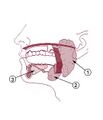 Illu quiz hn 02

Advertise on WikiMD — 81,000+ full articles, ~900,000 total pages, ~250 million page views. Global reach, limited time promotional rates from $1/page/day. Learn more · View stats


Translate page: - East Asian
中文,
日本,
한국어,
South Asian
हिन्दी,
தமிழ்,
తెలుగు,
Urdu,
ಕನ್ನಡ,
Southeast Asian
Indonesian,
Vietnamese,
Thai,
မြန်မာဘာသာ,
বাংলা
European
español,
Deutsch,
français,
Greek,
português do Brasil,
polski,
română,
русский,
Nederlands,
norsk,
svenska,
suomi,
Italian
Middle Eastern & African
عربى,
Turkish,
Persian,
Hebrew,
Afrikaans,
isiZulu,
Kiswahili,
Other
Bulgarian,
Hungarian,
Czech,
Swedish,
മലയാളം,
मराठी,
ਪੰਜਾਬੀ,
ગુજરાતી,
Portuguese,
Ukrainian
About WikiMD • Contact • Disclaimer • Privacy • Copyright • Site statistics
Some content and images may originate from Wikimedia Commons or Wikipedia and remain subject to their stated licenses. Unless otherwise noted, eligible WikiMD content is available under CC BY-SA 4.0.
WikiMD Wellnesspedia — Free health & wellness information for patients, students, and health professionals.


