Peanut soup
Peanut Soup is a type of soup that is made primarily from peanuts, often with various other ingredients. It is a staple of African and Asian cuisine, but it is also popular in some parts of the United States, particularly in Virginia.
Etymology[edit]
The term "peanut soup" is derived from the main ingredient, the peanut, which is also known as the groundnut or the goober. The word "peanut" is a combination of the words "pea" and "nut", referring to the fact that peanuts are a type of legume that grows in pods underground, similar to peas, but are often used in cooking like nuts.
Ingredients and Preparation[edit]
Peanut soup is typically made by combining peanut butter or ground peanuts with a liquid such as chicken broth, vegetable broth, or coconut milk. Other common ingredients include onion, garlic, ginger, and chili pepper. Some versions of the soup also include meat, such as chicken or beef, or vegetables such as sweet potato or okra. The soup is usually served hot, often with a garnish of chopped cilantro or peanuts.
Variations[edit]
There are many variations of peanut soup around the world. In West Africa, peanut soup is often served with fufu, a starchy side dish made from cassava, yams, or plantains. In Asia, particularly in the Philippines, a version of peanut soup known as Kare-Kare is made with oxtail and vegetables, and is served with a side of shrimp paste. In the United States, particularly in Virginia, peanut soup is often served as a starter at traditional Southern meals.
Health Benefits and Risks[edit]
Peanut soup is high in protein and healthy fats, making it a nutritious choice for a meal. However, it is also high in calories and can be high in sodium, depending on the recipe. People with peanut allergy should avoid peanut soup, as even a small amount of peanut can cause a severe allergic reaction.
See Also[edit]

This WikiMD article can only be edited by registered and verified editors. You can log in or register.
-
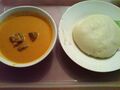 Fufu
Fufu -
Ground nut soup
-
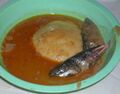 Fufu in groundnut soup with fish
 -
Latin American Peanut Soup


Medical Disclaimer: WikiMD is for informational purposes only and is not a substitute for professional medical advice. Content may be inaccurate or outdated and should not be used for diagnosis or treatment. Always consult your healthcare provider for medical decisions. Verify information with trusted sources such as CDC.gov and NIH.gov. By using this site, you agree that WikiMD is not liable for any outcomes related to its content. See full disclaimer.
Credits:Most images are courtesy of Wikimedia commons, and templates, categories Wikipedia, licensed under CC BY SA or similar.
Translate page: - East Asian
中文,
日本,
한국어,
South Asian
हिन्दी,
தமிழ்,
తెలుగు,
Urdu,
ಕನ್ನಡ,
Southeast Asian
Indonesian,
Vietnamese,
Thai,
မြန်မာဘာသာ,
বাংলা
European
español,
Deutsch,
français,
Greek,
português do Brasil,
polski,
română,
русский,
Nederlands,
norsk,
svenska,
suomi,
Italian
Middle Eastern & African
عربى,
Turkish,
Persian,
Hebrew,
Afrikaans,
isiZulu,
Kiswahili,
Other
Bulgarian,
Hungarian,
Czech,
Swedish,
മലയാളം,
मराठी,
ਪੰਜਾਬੀ,
ગુજરાતી,
Portuguese,
Ukrainian


