Para-Methoxy-N-ethylamphetamine
Para-Methoxy-N-ethylamphetamine (PMNEA) is a psychoactive drug and research chemical of the phenethylamine and amphetamine classes. It is known for its entactogenic, psychedelic, and stimulant effects.
Chemistry[edit]
PMNEA is a substituted amphetamine, which means it is a derivative of the parent compound amphetamine. The chemical structure of PMNEA includes an ethyl group attached to the nitrogen atom of the amphetamine backbone, and a methoxy group attached to the para position of the phenyl ring.
Pharmacology[edit]
The exact mechanism of action of PMNEA is not fully understood. However, it is believed to work by increasing the levels of certain neurotransmitters in the brain, such as serotonin, dopamine, and norepinephrine. These neurotransmitters are involved in mood, energy, and response to stress.
Effects[edit]
The effects of PMNEA can vary greatly depending on the dose, the individual's physiology, and the environment in which it is taken. Common effects reported by users include feelings of euphoria, increased energy, enhanced empathy and sociability, and altered perception of time and space. However, PMNEA can also cause a range of negative effects, such as anxiety, paranoia, and physical discomfort.
Legal Status[edit]
The legal status of PMNEA varies by country. In some countries, it is classified as a controlled substance, while in others it is legal to possess for personal use.
Risks and Safety[edit]
As with all psychoactive substances, using PMNEA carries risks. These can include physical health risks, such as increased heart rate and blood pressure, as well as mental health risks, such as anxiety and paranoia. It is important for individuals to be aware of these risks and to use the substance responsibly.
See Also[edit]

```
Para-Methoxy-N-ethylamphetamine[edit]
-
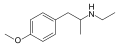 Chemical structure of Para-Methoxy-N-ethylamphetamine


Medical Disclaimer: WikiMD is for informational purposes only and is not a substitute for professional medical advice. Content may be inaccurate or outdated and should not be used for diagnosis or treatment. Always consult your healthcare provider for medical decisions. Verify information with trusted sources such as CDC.gov and NIH.gov. By using this site, you agree that WikiMD is not liable for any outcomes related to its content. See full disclaimer.
Credits:Most images are courtesy of Wikimedia commons, and templates, categories Wikipedia, licensed under CC BY SA or similar.
Translate page: - East Asian
中文,
日本,
한국어,
South Asian
हिन्दी,
தமிழ்,
తెలుగు,
Urdu,
ಕನ್ನಡ,
Southeast Asian
Indonesian,
Vietnamese,
Thai,
မြန်မာဘာသာ,
বাংলা
European
español,
Deutsch,
français,
Greek,
português do Brasil,
polski,
română,
русский,
Nederlands,
norsk,
svenska,
suomi,
Italian
Middle Eastern & African
عربى,
Turkish,
Persian,
Hebrew,
Afrikaans,
isiZulu,
Kiswahili,
Other
Bulgarian,
Hungarian,
Czech,
Swedish,
മലയാളം,
मराठी,
ਪੰਜਾਬੀ,
ગુજરાતી,
Portuguese,
Ukrainian

