Pajeon
A type of Korean pancake made with scallions and other ingredients
Overview[edit]
Pajeon ( __
) is a variety of jeon, a savory Korean pancake-like dish made primarily with scallions as the main ingredient. It is a popular dish in Korean cuisine and is often enjoyed as an appetizer, snack, or side dish. Pajeon is known for its crispy texture and savory flavor, which is enhanced by the use of various ingredients such as seafood, meat, and vegetables.
Ingredients and Preparation[edit]
The basic ingredients for pajeon include:
Additional ingredients can include:
- Seafood such as shrimp, squid, or oysters
- Meat such as beef or pork
- Vegetables such as carrots or zucchini
Preparation[edit]
The preparation of pajeon involves creating a batter by mixing flour, water, and eggs. The scallions are then cut into lengths and mixed into the batter. Additional ingredients like seafood or meat can be added according to preference. The mixture is then poured onto a hot, oiled pan and cooked until both sides are golden brown and crispy.
Serving[edit]
Pajeon is typically served with a dipping sauce made from soy sauce, vinegar, and sometimes gochugaru (Korean chili powder) or sesame oil. It is often enjoyed with makgeolli, a traditional Korean rice wine, especially during rainy days.
Cultural Significance[edit]
Pajeon is a beloved dish in Korea, often associated with comfort and nostalgia. It is commonly prepared during family gatherings and celebrations. The dish is also popular in Korean restaurants around the world, where it is served as a starter or side dish.
Variations[edit]
There are several variations of pajeon, including:
- Haemul pajeon: A seafood version of pajeon that includes a variety of seafood such as shrimp, squid, and clams.
- Kimchi jeon: A variation that incorporates kimchi into the batter, giving it a spicy and tangy flavor.
- Buchimgae: A general term for Korean pancakes that includes pajeon and other types of jeon.
Related pages[edit]
Pajeon[edit]
-
Haemulpajeon
-
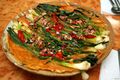 Dongnae Pajeon

Advertise on WikiMD — 81,000+ full articles, ~900,000 total pages, ~250 million page views. Global reach, limited time promotional rates from $1/page/day. Learn more · View stats


Translate page: - East Asian
中文,
日本,
한국어,
South Asian
हिन्दी,
தமிழ்,
తెలుగు,
Urdu,
ಕನ್ನಡ,
Southeast Asian
Indonesian,
Vietnamese,
Thai,
မြန်မာဘာသာ,
বাংলা
European
español,
Deutsch,
français,
Greek,
português do Brasil,
polski,
română,
русский,
Nederlands,
norsk,
svenska,
suomi,
Italian
Middle Eastern & African
عربى,
Turkish,
Persian,
Hebrew,
Afrikaans,
isiZulu,
Kiswahili,
Other
Bulgarian,
Hungarian,
Czech,
Swedish,
മലയാളം,
मराठी,
ਪੰਜਾਬੀ,
ગુજરાતી,
Portuguese,
Ukrainian
About WikiMD • Contact • Disclaimer • Privacy • Copyright • Site statistics
Some content and images may originate from Wikimedia Commons or Wikipedia and remain subject to their stated licenses. Unless otherwise noted, eligible WikiMD content is available under CC BY-SA 4.0.
WikiMD Wellnesspedia — Free health & wellness information for patients, students, and health professionals.


