Ophthalmic drug administration
Ophthalmic drug administration refers to the process of applying medication directly to the eyes in order to treat various eye diseases and conditions. This method of drug delivery is commonly used in the field of ophthalmology, which is the branch of medicine that deals with the diagnosis and treatment of eye disorders.
Types of Ophthalmic Drugs[edit]
There are several types of ophthalmic drugs, each designed to treat specific eye conditions. These include:
- Antibiotics: These are used to treat bacterial infections in the eye.
- Antivirals: These are used to treat viral infections in the eye.
- Anti-inflammatory drugs: These are used to reduce inflammation in the eye.
- Glaucoma medications: These are used to lower intraocular pressure in patients with glaucoma.
- Corticosteroids: These are used to reduce inflammation and swelling in the eye.
Methods of Ophthalmic Drug Administration[edit]
Ophthalmic drugs can be administered in several ways, including:
- Eye drops: This is the most common method of ophthalmic drug administration. The medication is dropped into the eye using a dropper.
- Eye ointments: These are applied to the lower eyelid. The patient then closes their eye to spread the ointment.
- Eye injections: In some cases, medication may be injected directly into the eye. This is usually done under local anesthesia.
Challenges in Ophthalmic Drug Administration[edit]
Despite its effectiveness, ophthalmic drug administration presents several challenges. These include:
- Patient compliance: Many patients find it difficult to apply eye drops or ointments correctly, which can affect the effectiveness of the treatment.
- Drug absorption: The eye's natural defenses, such as tears and blinking, can limit the amount of drug that is absorbed.
- Side effects: Some ophthalmic drugs can cause side effects, such as irritation or allergic reactions.
Future of Ophthalmic Drug Administration[edit]
Research is ongoing to develop new methods of ophthalmic drug administration that can overcome these challenges. These include drug delivery systems such as nanoparticles, implants, and contact lenses loaded with medication.
 | This medical article is a stub. You can help WikiMD by expanding the page. |
-
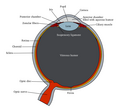 Ophthalmic drug administration
 -
Ophthalmic drug administration
-
Ophthalmic drug administration
-
Ophthalmic drug administration
-
Ophthalmic drug administration
-
Ophthalmic drug administration
-
 Ophthalmic drug administration
 -
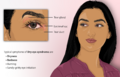 Ophthalmic drug administration
 -
 Ophthalmic drug administration
 -
Ophthalmic drug administration
-
 Ophthalmic drug administration
 -
Ophthalmic drug administration


Medical Disclaimer: WikiMD is for informational purposes only and is not a substitute for professional medical advice. Content may be inaccurate or outdated and should not be used for diagnosis or treatment. Always consult your healthcare provider for medical decisions. Verify information with trusted sources such as CDC.gov and NIH.gov. By using this site, you agree that WikiMD is not liable for any outcomes related to its content. See full disclaimer.
Credits:Most images are courtesy of Wikimedia commons, and templates, categories Wikipedia, licensed under CC BY SA or similar.
Translate page: - East Asian
中文,
日本,
한국어,
South Asian
हिन्दी,
தமிழ்,
తెలుగు,
Urdu,
ಕನ್ನಡ,
Southeast Asian
Indonesian,
Vietnamese,
Thai,
မြန်မာဘာသာ,
বাংলা
European
español,
Deutsch,
français,
Greek,
português do Brasil,
polski,
română,
русский,
Nederlands,
norsk,
svenska,
suomi,
Italian
Middle Eastern & African
عربى,
Turkish,
Persian,
Hebrew,
Afrikaans,
isiZulu,
Kiswahili,
Other
Bulgarian,
Hungarian,
Czech,
Swedish,
മലയാളം,
मराठी,
ਪੰਜਾਬੀ,
ગુજરાતી,
Portuguese,
Ukrainian


.jpg)


