Ohio wine
Ohio Wine is the wine produced in the U.S. state of Ohio. Historically, this region has been a significant player in the American wine industry, with a history dating back to the early 19th century.
History[edit]
The history of Ohio Wine dates back to the early 1800s when Nicholas Longworth, a prominent winemaker, started cultivating Catawba grapes in the Ohio River Valley. By the mid-19th century, Ohio had become the leading wine-producing state in the country. However, the industry suffered a significant setback due to the onset of the Phylloxera epidemic, Prohibition, and the Great Depression.
Wine Regions[edit]
Ohio has five designated American Viticultural Areas (AVAs): Lake Erie AVA, Grand River Valley AVA, Isle St. George AVA, Loramie Creek AVA, and Ohio River Valley AVA. Each of these regions has a unique climate and soil composition, contributing to the distinct characteristics of the wines produced.
Grape Varieties[edit]
The state of Ohio grows a variety of grapes, both native and hybrid. The most common grape varieties include Catawba, Delaware, Niagara, and Concord. In recent years, there has been an increase in the cultivation of Vitis vinifera grapes, such as Cabernet Sauvignon, Chardonnay, Pinot Noir, and Riesling.
Wine Styles[edit]
Ohio wines come in a variety of styles, from dry to sweet. The state is particularly known for its Ice Wine, a sweet dessert wine made from grapes that have naturally frozen on the vine. Other popular styles include Sparkling Wine, Rosé, and Red Wine.
Economic Impact[edit]
The Ohio wine industry contributes significantly to the state's economy. It supports thousands of jobs, generates millions in tax revenue, and attracts tourists from around the world. The industry also plays a crucial role in promoting local agriculture and sustainable farming practices.
See Also[edit]
 | This wine-related article is a stub. You can help WikiMD by expanding the page. |

-
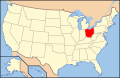 Ohio_wine
 -
Markko Cabernet Sauvignon 2003 from Ohio
-
Lonz Winery
-
Ohio_wine


Medical Disclaimer: WikiMD is for informational purposes only and is not a substitute for professional medical advice. Content may be inaccurate or outdated and should not be used for diagnosis or treatment. Always consult your healthcare provider for medical decisions. Verify information with trusted sources such as CDC.gov and NIH.gov. By using this site, you agree that WikiMD is not liable for any outcomes related to its content. See full disclaimer.
Credits:Most images are courtesy of Wikimedia commons, and templates, categories Wikipedia, licensed under CC BY SA or similar.
Translate page: - East Asian
中文,
日本,
한국어,
South Asian
हिन्दी,
தமிழ்,
తెలుగు,
Urdu,
ಕನ್ನಡ,
Southeast Asian
Indonesian,
Vietnamese,
Thai,
မြန်မာဘာသာ,
বাংলা
European
español,
Deutsch,
français,
Greek,
português do Brasil,
polski,
română,
русский,
Nederlands,
norsk,
svenska,
suomi,
Italian
Middle Eastern & African
عربى,
Turkish,
Persian,
Hebrew,
Afrikaans,
isiZulu,
Kiswahili,
Other
Bulgarian,
Hungarian,
Czech,
Swedish,
മലയാളം,
मराठी,
ਪੰਜਾਬੀ,
ગુજરાતી,
Portuguese,
Ukrainian


_(cropped).jpg)