Oculo-respiratory syndrome
Oculo-respiratory syndrome (ORS) is a condition that has been observed in some individuals following influenza vaccination. It is characterized by a combination of ocular and respiratory symptoms that typically appear within 24 hours of vaccination and usually resolve within 48 hours.
Symptoms[edit]
The symptoms of ORS can vary in severity and may include:
- Redness of the eyes (conjunctivitis)
- Itching or irritation of the eyes
- Swelling of the eyes or eyelids
- Coughing
- Sore throat
- Hoarseness
- Difficulty breathing
- Chest tightness
Causes[edit]
The exact cause of ORS is not well understood. It is believed to be an immune response to certain components of the influenza vaccine. Unlike anaphylaxis, ORS is not considered a true allergic reaction and does not involve IgE antibodies.
Diagnosis[edit]
Diagnosis of ORS is primarily based on the timing of symptom onset following influenza vaccination and the exclusion of other potential causes. A detailed medical history and physical examination are essential for accurate diagnosis.
Treatment[edit]
Treatment for ORS is generally supportive and may include:
- Antihistamines for eye symptoms
- Analgesics for sore throat and discomfort
- Bronchodilators for respiratory symptoms
Most cases of ORS resolve without the need for medical intervention. However, individuals experiencing severe symptoms should seek medical attention.
Prevention[edit]
To prevent ORS, individuals with a history of the syndrome may be advised to receive an alternative form of the influenza vaccine, such as a live attenuated influenza vaccine (LAIV) instead of an inactivated influenza vaccine (IIV). Consultation with a healthcare provider is recommended for personalized advice.
Related Pages[edit]
See Also[edit]
 | This article about a disease, disorder, or medical condition is a stub. You can help WikiMD by expanding the page. |
-
 Swollen eyelid due to allergy
 -
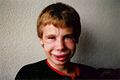 Facial edema
 -
 Map of Canada
 -
 Pfizer logo
 -
 Moderna logo
.jpg)


.svg)


Medical Disclaimer: WikiMD is for informational purposes only and is not a substitute for professional medical advice. Content may be inaccurate or outdated and should not be used for diagnosis or treatment. Always consult your healthcare provider for medical decisions. Verify information with trusted sources such as CDC.gov and NIH.gov. By using this site, you agree that WikiMD is not liable for any outcomes related to its content. See full disclaimer.
Credits:Most images are courtesy of Wikimedia commons, and templates, categories Wikipedia, licensed under CC BY SA or similar.
Translate page: - East Asian
中文,
日本,
한국어,
South Asian
हिन्दी,
தமிழ்,
తెలుగు,
Urdu,
ಕನ್ನಡ,
Southeast Asian
Indonesian,
Vietnamese,
Thai,
မြန်မာဘာသာ,
বাংলা
European
español,
Deutsch,
français,
Greek,
português do Brasil,
polski,
română,
русский,
Nederlands,
norsk,
svenska,
suomi,
Italian
Middle Eastern & African
عربى,
Turkish,
Persian,
Hebrew,
Afrikaans,
isiZulu,
Kiswahili,
Other
Bulgarian,
Hungarian,
Czech,
Swedish,
മലയാളം,
मराठी,
ਪੰਜਾਬੀ,
ગુજરાતી,
Portuguese,
Ukrainian

