Necrotizing enterocolitis

Editor-In-Chief: Prab R Tumpati, MD
Obesity, Sleep & Internal medicine
Founder, WikiMD Wellnesspedia &
W8MD's weight loss doctor NYC
Philadelphia GLP-1 weight loss and GLP-1 clinic NYC
| Necrotizing enterocolitis | |
|---|---|

| |
| Synonyms | NEC |
| Pronounce | N/A |
| Specialty | N/A |
| Symptoms | Feeding intolerance, abdominal distension, bloody stools, lethargy |
| Complications | Intestinal perforation, sepsis, short bowel syndrome |
| Onset | Usually within the first 2 weeks of life |
| Duration | Varies |
| Types | N/A |
| Causes | Multifactorial, including prematurity, enteral feeding, intestinal ischemia |
| Risks | Premature birth, formula feeding, intestinal hypoxia |
| Diagnosis | Abdominal X-ray, clinical presentation |
| Differential diagnosis | Sepsis, spontaneous intestinal perforation, gastroenteritis |
| Prevention | Breastfeeding, probiotics, slow feeding advancement |
| Treatment | Bowel rest, nasogastric decompression, antibiotics, surgery |
| Medication | N/A |
| Prognosis | Variable, depends on severity and complications |
| Frequency | Affects 1-5% of neonates in neonatal intensive care units |
| Deaths | N/A |
Necrotizing enterocolitis (NEC) is a medical condition primarily seen in premature infants, where portions of the bowel undergo necrosis (tissue death).
Signs and Symptoms[edit]
The symptoms of NEC can vary but often include poor feeding, bloating, decreased activity, blood in the stool, or vomiting of bile.
Causes[edit]
The exact cause of NEC is unknown, but it is thought to occur when the lining of the bowel wall is weakened by a lack of oxygen or blood flow. When this happens, bacteria from the food that is digested can damage the bowel wall.
Diagnosis[edit]
NEC is usually diagnosed through a combination of X-ray findings, the presence of blood in the stool, and the symptoms that the infant is having.
Treatment[edit]
Treatment for NEC includes stopping all feedings, giving intravenous fluids and antibiotics, and removing gas from the intestines. In severe cases, surgery may be needed to remove the dead parts of the bowel.
Prognosis[edit]
The prognosis for infants with NEC varies. Some infants respond well to treatment and recover fully, while others may have long-term health problems or die from the condition.
Prevention[edit]
Prevention of NEC includes the use of breast milk and probiotics, as well as careful feeding practices in premature infants.
Gallery[edit]
-
 Neonatal necrotizing enterocolitis, gross pathology
 -
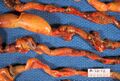 Neonatal necrotizing enterocolitis, gross pathology


See Also[edit]
References[edit]

Sponsored Health Resource

W8MD Weight Loss, Sleep & MedSpa
Looking for physician-supervised weight loss, semaglutide, tirzepatide, or GLP-1 receptor agonist options? W8MD helps eligible patients in New York City, Brooklyn, New Jersey, Connecticut, Pennsylvania, Delaware, and greater Philadelphia with medical weight loss, sleep medicine, and long-term maintenance support.
GLP-1 specials: Affordable GLP-1 injections NYC and Philadelphia starting from $29.99/week and up for semaglutide with insurance accepted for qualifying visits, and $45/week and up for tirzepatide with insurance accepted for qualifying visits. Self-pay options start from $59.99/week and up for semaglutide and $69.99/week and up for tirzepatide.
- Medical weight loss NYC
- Affordable GLP-1 injections NYC
- Budget GLP-1 weight loss shots Philadelphia
- New Jersey medical weight loss
- NYC medical weight loss blog
- Philadelphia weight loss blog
- Sleep medicine and sleep apnea services
- W8MD MedSpa and wellness
Book a W8MD appointment · View GLP-1 specials
Paid promotional message. Eligibility, pricing, insurance coverage, medication availability, and results vary. Medical evaluation required.

Medical Disclaimer: WikiMD is for informational purposes only and is not a substitute for professional medical advice. Content may be inaccurate or outdated and should not be used for diagnosis or treatment. Always consult your healthcare provider for medical decisions. Verify information with trusted sources such as CDC.gov and NIH.gov. By using this site, you agree that WikiMD is not liable for any outcomes related to its content. See full disclaimer.
Credits:Most images are courtesy of Wikimedia commons, and templates, categories Wikipedia, licensed under CC BY SA or similar.
Translate page: - East Asian
中文,
日本,
한국어,
South Asian
हिन्दी,
தமிழ்,
తెలుగు,
Urdu,
ಕನ್ನಡ,
Southeast Asian
Indonesian,
Vietnamese,
Thai,
မြန်မာဘာသာ,
বাংলা
European
español,
Deutsch,
français,
Greek,
português do Brasil,
polski,
română,
русский,
Nederlands,
norsk,
svenska,
suomi,
Italian
Middle Eastern & African
عربى,
Turkish,
Persian,
Hebrew,
Afrikaans,
isiZulu,
Kiswahili,
Other
Bulgarian,
Hungarian,
Czech,
Swedish,
മലയാളം,
मराठी,
ਪੰਜਾਬੀ,
ગુજરાતી,
Portuguese,
Ukrainian

