Mountain
A mountain is a large landform that rises prominently above its surroundings, typically having a peak or summit that is significantly higher in elevation than the surrounding terrain. Mountains are formed through tectonic forces or volcanism. These forces can locally raise the surface of the Earth, leading to the formation of mountains and mountain ranges. Mountains can also be eroded by weathering and erosion, leaving behind mountain ranges and isolated mountains. Mountains are found on every continent and in every country; they can influence weather patterns, create microclimates, and have a profound effect on the biosphere.
Formation[edit]
Mountains are primarily formed through the movement of tectonic plates. When these plates collide, they can cause the Earth's crust to buckle and fold, leading to the formation of mountains (orogeny). Another way mountains form is through volcanic activity, when magma from the Earth's interior reaches the surface and accumulates over time, creating a mountainous structure (volcanism).
Types of Mountains[edit]
There are several types of mountains, classified based on their formation processes:
- Fold Mountains: These are the most common type of mountains, formed by the folding of the Earth's crust due to tectonic forces.
- Fault-block Mountains: Formed by the movement of large crustal blocks when faults or cracks in the Earth's crust force some materials or blocks of rock up and others down.
- Volcanic Mountains: Created by volcanic activity. They can form when magma from the Earth's interior reaches the surface and erupts, depositing lava and ash, which builds up into a mountain over time.
- Dome Mountains: Formed when magma pushes the crust up but does not break through the surface, creating a dome-shaped mountain.
Ecology[edit]
Mountains can host diverse ecosystems, with variations in climate, vegetation, and wildlife occurring at different elevations. The base of a mountain may support a completely different set of species than its summit. This vertical zonation is a key feature of mountain ecology, with distinct habitats ranging from montane forests at lower elevations to alpine tundra near the summit. Mountains can also serve as barriers to the movement of air and moisture, significantly influencing local climates.
Human Interaction[edit]
Throughout history, mountains have been important for human life, providing resources such as water, timber, and minerals. They are also significant for cultural and religious reasons, with many mountains considered sacred in different traditions. Today, mountains are popular sites for tourism and recreation, offering activities such as hiking, skiing, and mountaineering.
Conservation[edit]
Mountains face several environmental threats, including deforestation, climate change, and land degradation. Conservation efforts are crucial to protect these unique landscapes and their biodiversity. Initiatives such as the establishment of protected areas and sustainable management practices aim to preserve mountain ecosystems for future generations.
See Also[edit]

-
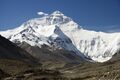 Everest North Face
 -
Volcán Chimborazo
-
Monte Bianco
-
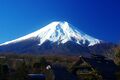 Hakkai Fuji
 -
Lewis Overthrust Fault
-
Vihren Pirin
-
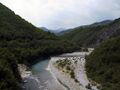 Valle Trebbia
 -
Ural Mountains
-
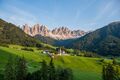 Villnöß St. Magdalena
 -
Glarus Alps
-
Mountain Regions by UNEP
-
La Paz Skyline


.jpg)

Advertise on WikiMD — 81,000+ full articles, ~900,000 total pages, ~250 million page views. Global reach, limited time promotional rates from $1/page/day. Learn more · View stats

Translate page: - East Asian
中文,
日本,
한국어,
South Asian
हिन्दी,
தமிழ்,
తెలుగు,
Urdu,
ಕನ್ನಡ,
Southeast Asian
Indonesian,
Vietnamese,
Thai,
မြန်မာဘာသာ,
বাংলা
European
español,
Deutsch,
français,
Greek,
português do Brasil,
polski,
română,
русский,
Nederlands,
norsk,
svenska,
suomi,
Italian
Middle Eastern & African
عربى,
Turkish,
Persian,
Hebrew,
Afrikaans,
isiZulu,
Kiswahili,
Other
Bulgarian,
Hungarian,
Czech,
Swedish,
മലയാളം,
मराठी,
ਪੰਜਾਬੀ,
ગુજરાતી,
Portuguese,
Ukrainian
About WikiMD • Contact • Disclaimer • Privacy • Copyright • Site statistics
Some content and images may originate from Wikimedia Commons or Wikipedia and remain subject to their stated licenses. Unless otherwise noted, eligible WikiMD content is available under CC BY-SA 4.0.
WikiMD Wellnesspedia — Free health & wellness information for patients, students, and health professionals.


.jpg)


