Methylcobalamin
Methylcobalamin is a form of vitamin B12. It is one of the two coenzyme forms of B12, the other being adenosylcobalamin. Methylcobalamin is used in the treatment of pernicious anemia, vitamin B12 deficiency, and can also be given as part of a regimen for megaloblastic anemia.
Chemistry[edit]
Methylcobalamin features a methyl group (CH3) attached to the cobalt atom. In the body, it is converted from cyanocobalamin, a synthetic form of vitamin B12. Methylcobalamin is involved in the healthy functioning of the brain and nervous system, and the formation of red blood cells.
Medical uses[edit]
Methylcobalamin is used to treat vitamin B12 deficiency, a condition in which the body does not absorb enough vitamin B12 from food. This can lead to pernicious anemia, a type of anemia that can cause symptoms such as fatigue, weakness, and shortness of breath.
In addition, methylcobalamin is used in the treatment of megaloblastic anemia, a blood disorder in which the bone marrow produces unusually large, structurally abnormal, immature red blood cells (megaloblasts).
Side effects[edit]
Common side effects of methylcobalamin include headache, nausea, and diarrhea. In rare cases, it can cause more serious side effects such as allergic reactions.
See also[edit]
 | This medical article is a stub. You can help WikiMD by expanding the page. |
-
 Methylcobalamin
 -
 Mecobalamin 3D Sticks
 -
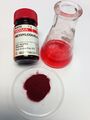 B12 Methylcobalamin


Advertise on WikiMD — 81,000+ full articles, ~900,000 total pages, ~250 million page views. Global reach, limited time promotional rates from $1/page/day. Learn more · View stats

Translate page: - East Asian
中文,
日本,
한국어,
South Asian
हिन्दी,
தமிழ்,
తెలుగు,
Urdu,
ಕನ್ನಡ,
Southeast Asian
Indonesian,
Vietnamese,
Thai,
မြန်မာဘာသာ,
বাংলা
European
español,
Deutsch,
français,
Greek,
português do Brasil,
polski,
română,
русский,
Nederlands,
norsk,
svenska,
suomi,
Italian
Middle Eastern & African
عربى,
Turkish,
Persian,
Hebrew,
Afrikaans,
isiZulu,
Kiswahili,
Other
Bulgarian,
Hungarian,
Czech,
Swedish,
മലയാളം,
मराठी,
ਪੰਜਾਬੀ,
ગુજરાતી,
Portuguese,
Ukrainian
About WikiMD • Contact • Disclaimer • Privacy • Copyright • Site statistics
Some content and images may originate from Wikimedia Commons or Wikipedia and remain subject to their stated licenses. Unless otherwise noted, eligible WikiMD content is available under CC BY-SA 4.0.
WikiMD Wellnesspedia — Free health & wellness information for patients, students, and health professionals.

