Mató
Mató is a type of cheese originating from the Catalan region of Spain. It is a fresh, unaged cheese that is similar to ricotta or cottage cheese. Mató is traditionally served with honey and is often used in desserts.
History[edit]
The history of Mató dates back to the Roman Empire, when it was a common food among shepherds. The cheese is mentioned in several medieval Catalan documents and has been a staple of Catalan cuisine for centuries.
Production[edit]
Mató is made from cow's milk, goat's milk, or a combination of the two. The milk is heated and then curdled with an acid such as vinegar or lemon juice. The curds are then strained and pressed into molds. The cheese is typically ready to eat within a few hours of production.
Culinary Uses[edit]
Mató is often served as a dessert cheese, drizzled with honey or topped with nuts. It is also used in a variety of Catalan dishes, including mel i mató (honey and mató) and coca de mató (a type of Catalan pizza topped with mató). In addition, mató can be used as a substitute for ricotta or cottage cheese in many recipes.
Cultural Significance[edit]
Mató is an important part of Catalan culture and cuisine. It is often served during holidays and special occasions, and is a common ingredient in traditional Catalan recipes. The cheese is also featured in several Catalan folk songs and stories.
See Also[edit]
 | This cheese-related article is a stub. You can help WikiMD by expanding the page. |


-
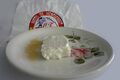 Mató
Mató


Medical Disclaimer: WikiMD is for informational purposes only and is not a substitute for professional medical advice. Content may be inaccurate or outdated and should not be used for diagnosis or treatment. Always consult your healthcare provider for medical decisions. Verify information with trusted sources such as CDC.gov and NIH.gov. By using this site, you agree that WikiMD is not liable for any outcomes related to its content. See full disclaimer.
Credits:Most images are courtesy of Wikimedia commons, and templates, categories Wikipedia, licensed under CC BY SA or similar.
Translate page: - East Asian
中文,
日本,
한국어,
South Asian
हिन्दी,
தமிழ்,
తెలుగు,
Urdu,
ಕನ್ನಡ,
Southeast Asian
Indonesian,
Vietnamese,
Thai,
မြန်မာဘာသာ,
বাংলা
European
español,
Deutsch,
français,
Greek,
português do Brasil,
polski,
română,
русский,
Nederlands,
norsk,
svenska,
suomi,
Italian
Middle Eastern & African
عربى,
Turkish,
Persian,
Hebrew,
Afrikaans,
isiZulu,
Kiswahili,
Other
Bulgarian,
Hungarian,
Czech,
Swedish,
മലയാളം,
मराठी,
ਪੰਜਾਬੀ,
ગુજરાતી,
Portuguese,
Ukrainian

