Magnet
A magnet is a material or object that produces a magnetic field. This magnetic field is invisible but is responsible for the most notable property of a magnet: a force that pulls on other ferromagnetic materials, such as iron, and attracts or repels other magnets.
Physical properties[edit]
A permanent magnet is an object made from a material that is magnetized and creates its own persistent magnetic field. An example is lodestone. Materials that can be magnetized, which are also the ones that are strongly attracted to a magnet, are called ferromagnetic (or ferrimagnetic). These include iron, nickel, cobalt, some alloys of rare-earth metals, and some naturally occurring minerals such as lodestone.
Magnetic field[edit]
The magnetic field produced by a magnet is proportional to the magnet's size and strength. The magnetic field is the area around a magnet in which there is magnetic force. Moving electric charges can make magnetic fields.
Types of magnets[edit]
There are several types of magnets, each with their own properties and uses. These include:
- Permanent magnets: These are the common types of magnets that people are familiar with. They have a persistent magnetic field and attract certain types of metals.
- Electromagnets: These are magnets that only produce a magnetic field when an electric current is applied to them. They are used in a wide range of applications, from large magnets used in scrap yards to pick up cars, to small electromagnets used in electronic equipment.
- Superconducting magnets: These are made from superconducting wire and can produce very strong magnetic fields. They are used in applications such as MRI machines and particle accelerators.
Uses of magnets[edit]
Magnets have many uses in our daily lives. They are used in a wide range of devices including simple toys, computers, credit cards, MRI machines and business equipment. Magnets are also used to produce electricity in power plants.
See also[edit]

This WikiMD article can only be edited by registered and verified editors. You can log in or register.
-
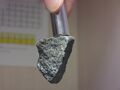 Magnetite sample with neodymium magnet
 -
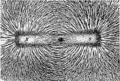 Magnet
 -
 Magnet bar
 -
 Cylindrical magnet
 -
 Hard disk
 -
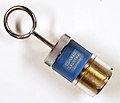 Magnetic separator
 -
 Magnet
 -
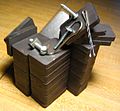 Ceramic magnets
 -
 The effects of magnetism
 -
 Four magnets


Medical Disclaimer: WikiMD is for informational purposes only and is not a substitute for professional medical advice. Content may be inaccurate or outdated and should not be used for diagnosis or treatment. Always consult your healthcare provider for medical decisions. Verify information with trusted sources such as CDC.gov and NIH.gov. By using this site, you agree that WikiMD is not liable for any outcomes related to its content. See full disclaimer.
Credits:Most images are courtesy of Wikimedia commons, and templates, categories Wikipedia, licensed under CC BY SA or similar.
Translate page: - East Asian
中文,
日本,
한국어,
South Asian
हिन्दी,
தமிழ்,
తెలుగు,
Urdu,
ಕನ್ನಡ,
Southeast Asian
Indonesian,
Vietnamese,
Thai,
မြန်မာဘာသာ,
বাংলা
European
español,
Deutsch,
français,
Greek,
português do Brasil,
polski,
română,
русский,
Nederlands,
norsk,
svenska,
suomi,
Italian
Middle Eastern & African
عربى,
Turkish,
Persian,
Hebrew,
Afrikaans,
isiZulu,
Kiswahili,
Other
Bulgarian,
Hungarian,
Czech,
Swedish,
മലയാളം,
मराठी,
ਪੰਜਾਬੀ,
ગુજરાતી,
Portuguese,
Ukrainian

