Lychee wine
Lychee Wine is a type of fruit wine made from the lychee fruit, a tropical tree species native to the Guangdong and Fujian provinces of China, but now cultivated in many parts of the world. The wine is typically made by fermenting the lychee fruit's juice with yeast to produce alcohol.
History[edit]
The production of lychee wine dates back to ancient China, where it was considered a delicacy and often served at royal banquets. The wine was traditionally made by fermenting the lychee fruit's juice with yeast, a process that has been refined and modernized over the centuries.
Production[edit]
The production of lychee wine involves several steps. First, the lychee fruit is harvested and the outer shell and seed are removed, leaving only the juicy pulp. This pulp is then crushed and the juice is extracted. The juice is then fermented with yeast, which converts the sugars in the juice into alcohol. The wine is then aged for several months to several years, depending on the desired flavor profile.
Flavor and Pairing[edit]
Lychee wine is known for its sweet, fruity flavor and floral aroma, similar to that of the lychee fruit itself. It is often served chilled and pairs well with spicy foods, particularly Asian cuisine. It can also be used in cocktails or served as a dessert wine.
Health Benefits[edit]
Like other fruit wines, lychee wine is rich in antioxidants, which can help to protect the body against damage from harmful free radicals. It is also a source of vitamins and minerals, including vitamin C and potassium.
See Also[edit]


-
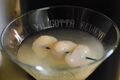 Lychee cocktail


Medical Disclaimer: WikiMD is for informational purposes only and is not a substitute for professional medical advice. Content may be inaccurate or outdated and should not be used for diagnosis or treatment. Always consult your healthcare provider for medical decisions. Verify information with trusted sources such as CDC.gov and NIH.gov. By using this site, you agree that WikiMD is not liable for any outcomes related to its content. See full disclaimer.
Credits:Most images are courtesy of Wikimedia commons, and templates, categories Wikipedia, licensed under CC BY SA or similar.
Translate page: - East Asian
中文,
日本,
한국어,
South Asian
हिन्दी,
தமிழ்,
తెలుగు,
Urdu,
ಕನ್ನಡ,
Southeast Asian
Indonesian,
Vietnamese,
Thai,
မြန်မာဘာသာ,
বাংলা
European
español,
Deutsch,
français,
Greek,
português do Brasil,
polski,
română,
русский,
Nederlands,
norsk,
svenska,
suomi,
Italian
Middle Eastern & African
عربى,
Turkish,
Persian,
Hebrew,
Afrikaans,
isiZulu,
Kiswahili,
Other
Bulgarian,
Hungarian,
Czech,
Swedish,
മലയാളം,
मराठी,
ਪੰਜਾਬੀ,
ગુજરાતી,
Portuguese,
Ukrainian

