Luffa acutangula
Luffa acutangula is a tropical and subtropical vine of the family Cucurbitaceae, commonly known as the ridged gourd, sponge gourd, Chinese okra or tori. It is an annual plant that is native to the Indian subcontinent and now grown worldwide for its fruit, which is used as a vegetable and in traditional medicine.
Description[edit]
Luffa acutangula is a climbing plant that can reach lengths of up to 30 feet. The plant has tendrils that help it climb and attach to supporting structures. The leaves are large, up to 12 inches in diameter, and have a distinctive lobed shape. The flowers are yellow and the fruit is a long, ridged gourd that can reach lengths of up to 12 inches.
Cultivation[edit]
Luffa acutangula is grown in tropical and subtropical regions around the world. It prefers a warm, humid climate and well-drained soil. The plant is typically grown from seeds, which are sown in the spring after the last frost. The vines need a trellis or other support to climb on. The fruits are harvested when they are young and tender, before the skin becomes tough and the seeds harden.
Uses[edit]
The young fruit of Luffa acutangula is used as a vegetable in many cuisines, particularly in Asia. It is often stir-fried, stewed, or used in soups. The mature fruit is fibrous and is used to make natural sponges, hence the common name "sponge gourd". In traditional medicine, the fruit, leaves, and roots are used to treat various ailments, including skin conditions, digestive disorders, and respiratory problems.
See also[edit]
| 🌱 | This Cucurbitaceae related article is a stub. |
-
Luffa acutangula
-
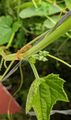 Glands in probract that attract ants
 -
Luffa acutangula female flower
-
Luffa acutangula male flower


Medical Disclaimer: WikiMD is for informational purposes only and is not a substitute for professional medical advice. Content may be inaccurate or outdated and should not be used for diagnosis or treatment. Always consult your healthcare provider for medical decisions. Verify information with trusted sources such as CDC.gov and NIH.gov. By using this site, you agree that WikiMD is not liable for any outcomes related to its content. See full disclaimer.
Credits:Most images are courtesy of Wikimedia commons, and templates, categories Wikipedia, licensed under CC BY SA or similar.
Translate page: - East Asian
中文,
日本,
한국어,
South Asian
हिन्दी,
தமிழ்,
తెలుగు,
Urdu,
ಕನ್ನಡ,
Southeast Asian
Indonesian,
Vietnamese,
Thai,
မြန်မာဘာသာ,
বাংলা
European
español,
Deutsch,
français,
Greek,
português do Brasil,
polski,
română,
русский,
Nederlands,
norsk,
svenska,
suomi,
Italian
Middle Eastern & African
عربى,
Turkish,
Persian,
Hebrew,
Afrikaans,
isiZulu,
Kiswahili,
Other
Bulgarian,
Hungarian,
Czech,
Swedish,
മലയാളം,
मराठी,
ਪੰਜਾਬੀ,
ગુજરાતી,
Portuguese,
Ukrainian


