Living medicine
Living Medicine is a holistic approach to healthcare that emphasizes the role of lifestyle, environment, and societal factors in maintaining and improving health. It is a form of Integrative Medicine that combines conventional medical treatments with complementary and alternative therapies.
Overview[edit]
Living Medicine focuses on the whole person, including their physical, emotional, mental, and spiritual well-being. It emphasizes the importance of a healthy lifestyle, including a balanced diet, regular exercise, adequate sleep, stress management, and strong social connections. It also recognizes the impact of environmental and societal factors on health, such as pollution, socioeconomic status, and access to healthcare.
Principles[edit]
The principles of Living Medicine include:
- Prevention: Living Medicine emphasizes the importance of preventing disease before it starts. This includes regular health screenings, vaccinations, and lifestyle modifications.
- Patient Empowerment: Living Medicine encourages patients to take an active role in their healthcare. This includes making informed decisions about their treatment options and taking responsibility for their lifestyle choices.
- Holistic Approach: Living Medicine considers all aspects of a person's life, not just their physical symptoms. This includes their emotional, mental, and spiritual well-being.
- Integrative Care: Living Medicine combines conventional medical treatments with complementary and alternative therapies. This includes treatments such as acupuncture, massage therapy, and herbal medicine.
Treatment Approaches[edit]
Living Medicine uses a variety of treatment approaches, including:
- Diet and Nutrition: A balanced diet is a key component of Living Medicine. This includes eating a variety of fruits, vegetables, whole grains, lean proteins, and healthy fats.
- Exercise: Regular physical activity is another important aspect of Living Medicine. This includes activities such as walking, cycling, swimming, and strength training.
- Stress Management: Living Medicine recognizes the impact of stress on health and offers strategies for managing it. This includes techniques such as meditation, yoga, and deep breathing exercises.
- Complementary and Alternative Therapies: Living Medicine incorporates a variety of complementary and alternative therapies. This includes treatments such as acupuncture, massage therapy, and herbal medicine.
See Also[edit]
References[edit]
 | This medical article is a stub. You can help WikiMD by expanding the page. |
-
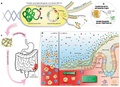 Probiotic-associated therapeutic curli hybrids (PATCH)
 -
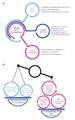 Considerations for the design of engineered live bacterial therapeutics
 -
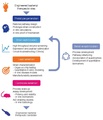 Strategy for the development of engineered live bacterial therapeutic clinical candidates
 -
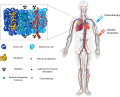 Schematic of therapeutic bacteria strategies against hypoxic tumors
 -
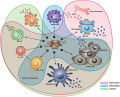 Mechanisms by which bacteria target tumors
 -
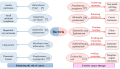 Bacteria involved in causing and treating cancers


Sponsored Health Resource

W8MD Weight Loss, Sleep & MedSpa
Looking for physician-supervised weight loss, semaglutide, tirzepatide, or GLP-1 receptor agonist options? W8MD helps eligible patients in New York City, Brooklyn, New Jersey, Connecticut, Pennsylvania, Delaware, and greater Philadelphia with medical weight loss, sleep medicine, and long-term maintenance support.
GLP-1 specials: Affordable GLP-1 injections NYC and Philadelphia starting from $29.99/week and up for semaglutide with insurance accepted for qualifying visits, and $45/week and up for tirzepatide with insurance accepted for qualifying visits. Self-pay options start from $59.99/week and up for semaglutide and $69.99/week and up for tirzepatide.
Medical weight loss NYC | Affordable GLP-1 injections NYC | Budget GLP-1 weight loss shots Philadelphia | New Jersey medical weight loss | NYC medical weight loss | Philadelphia medical weight loss | Sleep clinic NYC | W8MD's Philadelphia GLP-1 doctor | Weight loss prescriptions NYC
Book a W8MD appointment · View GLP-1 specials
Paid promotional message. Eligibility, pricing, insurance coverage, medication availability, and results vary. Medical evaluation required.

Medical Disclaimer: WikiMD is for informational purposes only and is not a substitute for professional medical advice. Content may be inaccurate or outdated and should not be used for diagnosis or treatment. Always consult your healthcare provider for medical decisions. Verify information with trusted sources such as CDC.gov and NIH.gov. By using this site, you agree that WikiMD is not liable for any outcomes related to its content. See full disclaimer.
Credits:Most images are courtesy of Wikimedia commons, and templates, categories Wikipedia, licensed under CC BY SA or similar.
Translate page: - East Asian
中文,
日本,
한국어,
South Asian
हिन्दी,
தமிழ்,
తెలుగు,
Urdu,
ಕನ್ನಡ,
Southeast Asian
Indonesian,
Vietnamese,
Thai,
မြန်မာဘာသာ,
বাংলা
European
español,
Deutsch,
français,
Greek,
português do Brasil,
polski,
română,
русский,
Nederlands,
norsk,
svenska,
suomi,
Italian
Middle Eastern & African
عربى,
Turkish,
Persian,
Hebrew,
Afrikaans,
isiZulu,
Kiswahili,
Other
Bulgarian,
Hungarian,
Czech,
Swedish,
മലയാളം,
मराठी,
ਪੰਜਾਬੀ,
ગુજરાતી,
Portuguese,
Ukrainian

