Kue pukis
Kue Pukis is a traditional Indonesian snack, often categorized as a kue or Indonesian cake. It is a popular street food in various regions of Indonesia, particularly in Javanese communities.
Origin and History[edit]
Kue Pukis is believed to have originated from the Dutch colonial era in Indonesia, influenced by the Dutch pancake, Poffertjes. The name "Pukis" is derived from the Javanese word "Puki", which means "cake".
Preparation and Ingredients[edit]
The main ingredients of Kue Pukis are wheat flour, sugar, eggs, coconut milk, and yeast. The batter is mixed until smooth and then poured into a special mold, which gives the cake its distinctive shape. The cake is then baked until it is golden brown. Variations of Kue Pukis may include additional toppings or fillings such as chocolate, cheese, or fruit jam.
Consumption and Cultural Significance[edit]
Kue Pukis is typically consumed as a snack or dessert. It is often served at traditional Indonesian events and celebrations, and is a common sight at street food stalls and markets. The cake's sweet taste and soft texture have made it a beloved treat among Indonesians of all ages.
See Also[edit]
 | This Indonesian cuisine-related article is a stub. You can help WikiMD by expanding the page. |

Kue_pukis[edit]
-
Pasar Terapung Lok Baintan with kue terang bulan and kue pukis
-
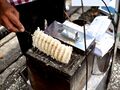 Kue Rangi
 -
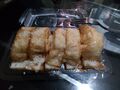 Kue Pamcong
 -
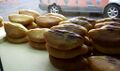 Kue Pukis


Medical Disclaimer: WikiMD is for informational purposes only and is not a substitute for professional medical advice. Content may be inaccurate or outdated and should not be used for diagnosis or treatment. Always consult your healthcare provider for medical decisions. Verify information with trusted sources such as CDC.gov and NIH.gov. By using this site, you agree that WikiMD is not liable for any outcomes related to its content. See full disclaimer.
Credits:Most images are courtesy of Wikimedia commons, and templates, categories Wikipedia, licensed under CC BY SA or similar.
Translate page: - East Asian
中文,
日本,
한국어,
South Asian
हिन्दी,
தமிழ்,
తెలుగు,
Urdu,
ಕನ್ನಡ,
Southeast Asian
Indonesian,
Vietnamese,
Thai,
မြန်မာဘာသာ,
বাংলা
European
español,
Deutsch,
français,
Greek,
português do Brasil,
polski,
română,
русский,
Nederlands,
norsk,
svenska,
suomi,
Italian
Middle Eastern & African
عربى,
Turkish,
Persian,
Hebrew,
Afrikaans,
isiZulu,
Kiswahili,
Other
Bulgarian,
Hungarian,
Czech,
Swedish,
മലയാളം,
मराठी,
ਪੰਜਾਬੀ,
ગુજરાતી,
Portuguese,
Ukrainian


