Kidd antigen system
Kidd antigen system is a blood group system that was discovered in 1951. It is named after the patient, Mrs. Kidd, in whom the first antibody was found. The Kidd antigen system is clinically significant because it can cause hemolytic disease of the newborn and transfusion reactions.
History[edit]
The Kidd antigen system was discovered in 1951 when a post-transfusion reaction occurred in Mrs. Kidd. The antigen that caused the reaction was subsequently named after her. The antibody that reacts with this antigen is often difficult to detect in blood typing tests because it tends to bind to the red cells and not remain in the serum.
Structure and Function[edit]
The Kidd antigen system is encoded by the SLC14A1 gene. This gene provides instructions for making a protein called urea transporter B, which is found in the kidney and red blood cells. This protein plays a crucial role in the concentration of urine and the maintenance of water balance in the body.
Clinical Significance[edit]
The Kidd antigen system is clinically significant in blood transfusion and pregnancy. If a person with Kidd antibodies is transfused with Kidd antigen-positive blood, a hemolytic transfusion reaction can occur. Similarly, if a pregnant woman has Kidd antibodies, there is a risk of hemolytic disease of the newborn.
See Also[edit]
References[edit]
This blood group related article is a stub. You can help WikiMD by expanding it.
 | This immunology article is a stub. You can help WikiMD by expanding the page. |

-
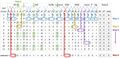 Serology interpretation of antibody panel for blood group antigens


Medical Disclaimer: WikiMD is for informational purposes only and is not a substitute for professional medical advice. Content may be inaccurate or outdated and should not be used for diagnosis or treatment. Always consult your healthcare provider for medical decisions. Verify information with trusted sources such as CDC.gov and NIH.gov. By using this site, you agree that WikiMD is not liable for any outcomes related to its content. See full disclaimer.
Credits:Most images are courtesy of Wikimedia commons, and templates, categories Wikipedia, licensed under CC BY SA or similar.
Translate page: - East Asian
中文,
日本,
한국어,
South Asian
हिन्दी,
தமிழ்,
తెలుగు,
Urdu,
ಕನ್ನಡ,
Southeast Asian
Indonesian,
Vietnamese,
Thai,
မြန်မာဘာသာ,
বাংলা
European
español,
Deutsch,
français,
Greek,
português do Brasil,
polski,
română,
русский,
Nederlands,
norsk,
svenska,
suomi,
Italian
Middle Eastern & African
عربى,
Turkish,
Persian,
Hebrew,
Afrikaans,
isiZulu,
Kiswahili,
Other
Bulgarian,
Hungarian,
Czech,
Swedish,
മലയാളം,
मराठी,
ਪੰਜਾਬੀ,
ગુજરાતી,
Portuguese,
Ukrainian

