Harry and Louise
Harry and Louise were fictional characters featured in a series of American television advertisements that aired in the mid-1990s. The ads became a significant part of the public debate over health care reform in the United States during the presidency of Bill Clinton. Portrayed as a middle-class suburban couple, Harry and Louise were shown at their kitchen table, expressing concerns about proposed changes to the health care system. The campaign was sponsored by the Health Insurance Association of America (HIAA) and is credited with influencing public opinion and contributing to the eventual failure of the Clinton health care plan.
Background[edit]
In the early 1990s, the United States was grappling with rising health care costs and a growing number of uninsured citizens. In response, President Bill Clinton proposed a comprehensive health care reform plan aimed at achieving universal coverage through a combination of employer mandates and government subsidies. The plan faced opposition from various quarters, including the health insurance industry.
The Campaign[edit]
The Harry and Louise ads were part of a broader campaign by the HIAA to mobilize public opposition to the Clinton plan. The ads depicted Harry and Louise discussing their concerns about the plan's potential impact on their ability to choose doctors and the quality of their health care. The campaign was highly effective, resonating with many Americans' fears about government intervention in health care. It is estimated that the HIAA spent over $10 million on the Harry and Louise campaign.
Impact[edit]
The Harry and Louise ads played a significant role in shaping public opinion against the Clinton health care reform proposal. The ads were widely discussed in the media and cited by politicians as evidence of public resistance to the plan. The campaign is often credited with contributing to the erosion of support for the Clinton proposal, which was eventually withdrawn without a vote in Congress.
Legacy[edit]
The Harry and Louise ads have been studied extensively by political scientists and communication experts as an example of the power of advertising in public policy debates. The campaign demonstrated the ability of interest groups to influence public opinion and the political process through targeted media campaigns. In later years, the characters of Harry and Louise were revived in ads supporting health care reform, including the Affordable Care Act, illustrating the changing dynamics of the health care debate in the United States.
See Also[edit]
 | This medical article is a stub. You can help WikiMD by expanding the page. |
-
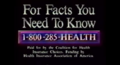 Harry and Louise


Medical Disclaimer: WikiMD is for informational purposes only and is not a substitute for professional medical advice. Content may be inaccurate or outdated and should not be used for diagnosis or treatment. Always consult your healthcare provider for medical decisions. Verify information with trusted sources such as CDC.gov and NIH.gov. By using this site, you agree that WikiMD is not liable for any outcomes related to its content. See full disclaimer.
Credits:Most images are courtesy of Wikimedia commons, and templates, categories Wikipedia, licensed under CC BY SA or similar.
Translate page: - East Asian
中文,
日本,
한국어,
South Asian
हिन्दी,
தமிழ்,
తెలుగు,
Urdu,
ಕನ್ನಡ,
Southeast Asian
Indonesian,
Vietnamese,
Thai,
မြန်မာဘာသာ,
বাংলা
European
español,
Deutsch,
français,
Greek,
português do Brasil,
polski,
română,
русский,
Nederlands,
norsk,
svenska,
suomi,
Italian
Middle Eastern & African
عربى,
Turkish,
Persian,
Hebrew,
Afrikaans,
isiZulu,
Kiswahili,
Other
Bulgarian,
Hungarian,
Czech,
Swedish,
മലയാളം,
मराठी,
ਪੰਜਾਬੀ,
ગુજરાતી,
Portuguese,
Ukrainian

