Hallucinogenic plants in Chinese herbals
Hallucinogenic plants have been a part of traditional medicine and cultural practices for centuries across the world. In China, a rich history of herbal medicine includes the use of various plants that can alter perception, consciousness, or mood. This article explores the role and significance of hallucinogenic plants within the context of Chinese herbals, focusing on their historical use, types, and cultural implications.
Historical Use[edit]
The use of hallucinogenic plants in China can be traced back to ancient times, where these plants were often associated with spiritual, healing, and ritualistic practices. Ancient texts and archaeological evidence suggest that shamans and healers employed these plants to enter altered states of consciousness, communicate with the spiritual world, and diagnose or treat illnesses. The Shennong Bencao Jing (神农本草经), one of the oldest Chinese materia medica, lists numerous plants with psychoactive properties, indicating their importance in early Chinese pharmacopeia.
Types of Hallucinogenic Plants[edit]
Several plants are recognized for their hallucinogenic properties in Chinese herbal medicine. Some of these include:
- Datura stramonium (Jimsonweed or Devil's snare): Used in small doses for its sedative and analgesic effects, but it is known for its hallucinogenic properties when consumed in larger quantities. - Ephedra sinica (Ma Huang): While primarily used as a stimulant and for treating respiratory issues, it contains ephedrine, which can have psychoactive effects. - Aconitum species (Monkshood or Wolfsbane): Known for their toxic properties, some species have been used in traditional Chinese medicine for their sedative and analgesic effects, which can border on hallucinogenic at high doses.
Cultural Implications[edit]
The use of hallucinogenic plants in Chinese culture is deeply intertwined with Taoist practices and traditional Chinese medicine. These plants were not only used for their medicinal properties but also for spiritual exploration and connecting with the natural world. The Taoist pursuit of immortality and spiritual enlightenment often incorporated the use of these plants to transcend physical boundaries and achieve higher states of consciousness.
Contemporary Use[edit]
In modern times, the use of hallucinogenic plants in China has diminished, largely due to advancements in medical science and regulatory controls. However, there is a growing interest in the study of traditional medicine and ethnobotany, leading to a resurgence in the exploration of these plants' potential therapeutic benefits. This includes research into their psychoactive compounds for treating mental health disorders such as depression and anxiety.
Conclusion[edit]
Hallucinogenic plants in Chinese herbals represent a fascinating intersection of medicine, culture, and spirituality. While their use has evolved over centuries, these plants continue to offer valuable insights into the complexities of human health and consciousness. As research progresses, the potential for integrating ancient wisdom with modern science holds promising possibilities for future therapeutic applications.

-
Hyoscyamus niger
-
Caesalpinia decapetala
-
Peucedanum japonicum
-
Phytolacca acinosa
-
Hemp flowers
-
Datura stramonium
-
Ranunculus japonicus
-
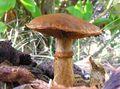 Gymnopilus junonius
 -
Panaeolus papilionaceus


Medical Disclaimer: WikiMD is for informational purposes only and is not a substitute for professional medical advice. Content may be inaccurate or outdated and should not be used for diagnosis or treatment. Always consult your healthcare provider for medical decisions. Verify information with trusted sources such as CDC.gov and NIH.gov. By using this site, you agree that WikiMD is not liable for any outcomes related to its content. See full disclaimer.
Credits:Most images are courtesy of Wikimedia commons, and templates, categories Wikipedia, licensed under CC BY SA or similar.
Translate page: - East Asian
中文,
日本,
한국어,
South Asian
हिन्दी,
தமிழ்,
తెలుగు,
Urdu,
ಕನ್ನಡ,
Southeast Asian
Indonesian,
Vietnamese,
Thai,
မြန်မာဘာသာ,
বাংলা
European
español,
Deutsch,
français,
Greek,
português do Brasil,
polski,
română,
русский,
Nederlands,
norsk,
svenska,
suomi,
Italian
Middle Eastern & African
عربى,
Turkish,
Persian,
Hebrew,
Afrikaans,
isiZulu,
Kiswahili,
Other
Bulgarian,
Hungarian,
Czech,
Swedish,
മലയാളം,
मराठी,
ਪੰਜਾਬੀ,
ગુજરાતી,
Portuguese,
Ukrainian


_Qu%C3%A9l_183728.jpg)