Guacetisal
Guacetisal is a non-steroidal anti-inflammatory drug (NSAID) that is used in the treatment of pain and inflammation. It is a derivative of salicylic acid and is often used in combination with other drugs to enhance its therapeutic effects.
Pharmacology[edit]
Guacetisal works by inhibiting the production of prostaglandins, chemicals that are responsible for causing inflammation and pain in the body. It does this by blocking the action of the enzyme cyclooxygenase, which is involved in the production of prostaglandins.
Uses[edit]
Guacetisal is used to treat a variety of conditions that cause pain and inflammation, including arthritis, gout, muscle sprains and strains, and menstrual cramps. It is also used to reduce fever and to relieve mild to moderate pain from conditions such as headaches, toothaches, back pain, and osteoarthritis.
Side Effects[edit]
Like all NSAIDs, guacetisal can cause side effects. These can include stomach upset, nausea, vomiting, heartburn, headache, dizziness, and drowsiness. More serious side effects can include stomach bleeding, kidney problems, and high blood pressure.
Precautions[edit]
Before taking guacetisal, it is important to discuss any medical conditions or allergies with your doctor. It is also important to discuss any other medications or supplements you are taking, as guacetisal can interact with other drugs.
See Also[edit]

This WikiMD article can only be edited by registered and verified editors. You can log in or register.
-
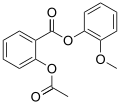 Guacetisal

Advertise on WikiMD — 81,000+ full articles, ~900,000 total pages, ~250 million page views. Global reach, limited time promotional rates from $1/page/day. Learn more · View stats

Medical Disclaimer: WikiMD is for informational purposes only and is not a substitute for professional medical advice. Content may be inaccurate or outdated and should not be used for diagnosis or treatment. Always consult your healthcare provider for medical decisions. Verify information with trusted sources such as CDC.gov and NIH.gov. By using this site, you agree that WikiMD is not liable for any outcomes related to its content. See full disclaimer.
Credits:Most images are courtesy of Wikimedia commons, and templates, categories Wikipedia, licensed under CC BY SA or similar.
Translate page: - East Asian
中文,
日本,
한국어,
South Asian
हिन्दी,
தமிழ்,
తెలుగు,
Urdu,
ಕನ್ನಡ,
Southeast Asian
Indonesian,
Vietnamese,
Thai,
မြန်မာဘာသာ,
বাংলা
European
español,
Deutsch,
français,
Greek,
português do Brasil,
polski,
română,
русский,
Nederlands,
norsk,
svenska,
suomi,
Italian
Middle Eastern & African
عربى,
Turkish,
Persian,
Hebrew,
Afrikaans,
isiZulu,
Kiswahili,
Other
Bulgarian,
Hungarian,
Czech,
Swedish,
മലയാളം,
मराठी,
ਪੰਜਾਬੀ,
ગુજરાતી,
Portuguese,
Ukrainian

