Glyoxal
Glyoxal is an organic compound with the formula OCHCHO. It is the smallest dialdehyde (a molecule with two aldehyde groups). Glyoxal is a highly reactive compound that appears as a yellowish liquid at room temperature. It is produced industrially by the partial oxidation of ethylene glycol in the presence of a silver or copper catalyst. Glyoxal serves as an intermediate in the synthesis of various chemicals and polymers.
Properties[edit]
Glyoxal is characterized by its two aldehyde groups, which make it highly reactive. It tends to polymerize and can form hydrates and oligomers when in solution. In its monomeric form, glyoxal is a planar molecule, and its reactivity is influenced by the electron-withdrawing effect of the aldehyde groups. Glyoxal has a boiling point of approximately 51°C at 760 mmHg and is soluble in water, alcohol, and ether.
Production[edit]
The industrial production of glyoxal primarily involves the gas-phase oxidation of ethylene glycol in the presence of a silver or copper catalyst at high temperatures. This process yields glyoxal along with other byproducts such as glycolic acid and formic acid. The reaction requires careful control of temperature and catalyst conditions to optimize glyoxal yield and minimize byproducts.
Applications[edit]
Glyoxal is used in a variety of applications due to its reactivity and ability to form cross-links with polymers and other compounds. Some of its major uses include:
- Textile industry: Glyoxal is used as a crosslinking agent in the finishing of textiles to improve fabric properties such as wrinkle resistance and dimensional stability.
- Paper industry: It serves as a crosslinker in paper coatings to enhance the strength and water resistance of paper products.
- Chemical synthesis: Glyoxal is a precursor in the synthesis of glyoxylic acid, imidazole, and other organic compounds.
- Pharmaceuticals: It is used in the synthesis of certain pharmaceuticals and agrochemicals.
- Personal care products: Glyoxal acts as a preservative and a crosslinking agent in personal care products.
Health and Safety[edit]
Glyoxal is classified as a skin and eye irritant and may cause respiratory irritation upon inhalation. It has also been evaluated for its potential carcinogenicity, but evidence is limited. Handling of glyoxal requires appropriate safety measures, including the use of personal protective equipment and adequate ventilation.
Environmental Impact[edit]
Glyoxal is biodegradable and is expected to have low persistence in the environment. However, its reactivity and potential formation of toxic byproducts during degradation processes warrant careful consideration in its disposal and environmental release.
See Also[edit]

-
 Industrial synthesis of glyoxal (Laporte process)
 -
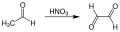 Industrial synthesis of glyoxal (acetaldehyde process)
 -
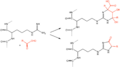 Argpyrimidine Hydroimidazolone
 -
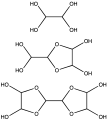 Glyoxal Oligomers
.svg)
.svg)


Sponsored Health Resource

W8MD Weight Loss, Sleep & MedSpa
Looking for physician-supervised weight loss, semaglutide, tirzepatide, or GLP-1 receptor agonist options? W8MD helps eligible patients in New York City, Brooklyn, New Jersey, Connecticut, Pennsylvania, Delaware, and greater Philadelphia with medical weight loss, sleep medicine, and long-term maintenance support.
GLP-1 specials: Affordable GLP-1 injections NYC and Philadelphia starting from $29.99/week and up for semaglutide with insurance accepted for qualifying visits, and $45/week and up for tirzepatide with insurance accepted for qualifying visits. Self-pay options start from $59.99/week and up for semaglutide and $69.99/week and up for tirzepatide.
- Medical weight loss NYC
- Affordable GLP-1 injections NYC
- Budget GLP-1 weight loss shots Philadelphia
- New Jersey medical weight loss
- NYC medical weight loss blog
- Philadelphia weight loss blog
- Sleep medicine and sleep apnea services
- W8MD MedSpa and wellness
Book a W8MD appointment · View GLP-1 specials
Paid promotional message. Eligibility, pricing, insurance coverage, medication availability, and results vary. Medical evaluation required.

Medical Disclaimer: WikiMD is for informational purposes only and is not a substitute for professional medical advice. Content may be inaccurate or outdated and should not be used for diagnosis or treatment. Always consult your healthcare provider for medical decisions. Verify information with trusted sources such as CDC.gov and NIH.gov. By using this site, you agree that WikiMD is not liable for any outcomes related to its content. See full disclaimer.
Credits:Most images are courtesy of Wikimedia commons, and templates, categories Wikipedia, licensed under CC BY SA or similar.
Translate page: - East Asian
中文,
日本,
한국어,
South Asian
हिन्दी,
தமிழ்,
తెలుగు,
Urdu,
ಕನ್ನಡ,
Southeast Asian
Indonesian,
Vietnamese,
Thai,
မြန်မာဘာသာ,
বাংলা
European
español,
Deutsch,
français,
Greek,
português do Brasil,
polski,
română,
русский,
Nederlands,
norsk,
svenska,
suomi,
Italian
Middle Eastern & African
عربى,
Turkish,
Persian,
Hebrew,
Afrikaans,
isiZulu,
Kiswahili,
Other
Bulgarian,
Hungarian,
Czech,
Swedish,
മലയാളം,
मराठी,
ਪੰਜਾਬੀ,
ગુજરાતી,
Portuguese,
Ukrainian

