Glibornuride
Glibornuride is a sulfonylurea antidiabetic drug used in the management of type 2 diabetes. It is classified under the second-generation sulfonylureas, a class of drugs known for their insulin-secretagogue action.
Mechanism of Action[edit]
Glibornuride works by stimulating the release of insulin from the pancreas. It binds to the sulfonylurea receptor (SUR1) on the pancreatic beta cells, leading to the closure of the ATP-sensitive potassium channel. This results in the depolarization of the cell membrane and the opening of the voltage-gated calcium channels. The influx of calcium triggers the release of insulin.
Pharmacokinetics[edit]
After oral administration, glibornuride is absorbed from the gastrointestinal tract. It is extensively metabolized in the liver and excreted in the urine and feces. The half-life of glibornuride is approximately 10 hours.
Side Effects[edit]
The most common side effects of glibornuride include hypoglycemia, nausea, vomiting, diarrhea, and allergic skin reactions. Severe hypoglycemia can lead to seizures, coma, and even death if not treated promptly.
Contraindications[edit]
Glibornuride is contraindicated in patients with type 1 diabetes or diabetic ketoacidosis. It should also not be used in patients with severe renal impairment or hepatic impairment due to the risk of prolonged hypoglycemia.
Interactions[edit]
Glibornuride may interact with other drugs such as nonsteroidal anti-inflammatory drugs (NSAIDs), beta-blockers, and alcohol, which can increase the risk of hypoglycemia. On the other hand, drugs like corticosteroids and thyroid hormones may decrease the hypoglycemic effect of glibornuride.
See Also[edit]

This WikiMD article can only be edited by registered and verified editors. You can log in or register.
-
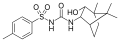 Glibornuride structure
 -
 Glibornuride synthesis


Advertise on WikiMD — 81,000+ full articles, ~900,000 total pages, ~250 million page views. Global reach, limited time promotional rates from $1/page/day. Learn more · View stats


Translate page: - East Asian
中文,
日本,
한국어,
South Asian
हिन्दी,
தமிழ்,
తెలుగు,
Urdu,
ಕನ್ನಡ,
Southeast Asian
Indonesian,
Vietnamese,
Thai,
မြန်မာဘာသာ,
বাংলা
European
español,
Deutsch,
français,
Greek,
português do Brasil,
polski,
română,
русский,
Nederlands,
norsk,
svenska,
suomi,
Italian
Middle Eastern & African
عربى,
Turkish,
Persian,
Hebrew,
Afrikaans,
isiZulu,
Kiswahili,
Other
Bulgarian,
Hungarian,
Czech,
Swedish,
മലയാളം,
मराठी,
ਪੰਜਾਬੀ,
ગુજરાતી,
Portuguese,
Ukrainian
About WikiMD • Contact • Disclaimer • Privacy • Copyright • Site statistics
Some content and images may originate from Wikimedia Commons or Wikipedia and remain subject to their stated licenses. Unless otherwise noted, eligible WikiMD content is available under CC BY-SA 4.0.
WikiMD Wellnesspedia — Free health & wellness information for patients, students, and health professionals.

