Functional neuroimaging
Functional neuroimaging is a branch of medical imaging that provides insights into the brain's function by capturing images of its activity. It is used to study the neurological and psychological aspects of the brain, helping researchers and clinicians understand how different parts of the brain work and interact with each other. Functional neuroimaging techniques measure changes in blood flow or metabolic activity in the brain, which are indicative of neuronal activity. This field plays a crucial role in the diagnosis and treatment of neurological disorders, as well as in cognitive neuroscience research.
Techniques[edit]
Several techniques are employed in functional neuroimaging, each with its own advantages and limitations:
- Functional Magnetic Resonance Imaging (fMRI): fMRI measures brain activity by detecting changes associated with blood flow. This technique relies on the fact that cerebral blood flow and neuronal activation are coupled. When an area of the brain is in use, blood flow to that region also increases.
- Positron Emission Tomography (PET): PET is a nuclear medicine imaging technique that produces a three-dimensional image or picture of functional processes in the body. In the context of neuroimaging, it involves the use of radioactive tracers that are absorbed by the brain, allowing for the visualization of brain activity.
- Electroencephalography (EEG): Though primarily used for measuring electrical activity in the brain, EEG can also be considered a functional imaging technique when used to analyze brain function over time.
- Magnetoencephalography (MEG): MEG measures the magnetic fields produced by neuronal activity in the brain. It provides a very direct measurement of brain activity and can be used to study cognitive processes and neurological disorders.
- Near-Infrared Spectroscopy (NIRS): NIRS is a spectroscopic method that uses the near-infrared region of the electromagnetic spectrum. It is used to monitor brain activity by measuring changes in blood oxygen levels.
Applications[edit]
Functional neuroimaging has a wide range of applications, including:
- Diagnosis of Neurological Disorders: It is used to diagnose and monitor diseases such as Alzheimer's disease, Parkinson's disease, and epilepsy.
- Cognitive Neuroscience Research: Researchers use functional neuroimaging to explore the neural mechanisms underlying cognition, emotion, and behavior.
- Brain Mapping: It helps in mapping the functional areas of the brain, such as those responsible for speech, motor control, and sensory processing.
- Treatment Planning: In neurosurgery, functional neuroimaging is used to plan treatments by identifying critical brain areas that must be avoided during surgery.
Challenges and Future Directions[edit]
Despite its advancements, functional neuroimaging faces several challenges, including high costs, the complexity of data interpretation, and the need for improved spatial and temporal resolution. Future research aims to overcome these limitations, enhance imaging techniques, and integrate data from multiple modalities to provide a more comprehensive understanding of brain function.
See Also[edit]
 | This medical article is a stub. You can help Wikipedia by adding missing information. |
-
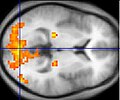 Functional magnetic resonance imaging
 -
 Main brain functional imaging technique resolutions


Ad. Transform your health with W8MD Weight Loss, Sleep & MedSpa

Tired of being overweight?
Special offer:
Budget GLP-1 weight loss medications
- Semaglutide starting from $29.99/week and up with insurance for visit of $59.99 and up per week self pay.
- Tirzepatide starting from $45.00/week and up (dose dependent) or $69.99/week and up self pay
✔ Same-week appointments, evenings & weekends ✔ Tele visits available with certain limitations Learn more:
- GLP-1 weight loss clinic NYC
- W8MD's NYC medical weight loss
- W8MD Philadelphia GLP-1 shots
- Philadelphia GLP-1 injections
- Affordable GLP-1 shots NYC
- Budget GLP-1 shots
|
WikiMD Medical Encyclopedia |
Medical Disclaimer: WikiMD is for informational purposes only and is not a substitute for professional medical advice. Content may be inaccurate or outdated and should not be used for diagnosis or treatment. Always consult your healthcare provider for medical decisions. Verify information with trusted sources such as CDC.gov and NIH.gov. By using this site, you agree that WikiMD is not liable for any outcomes related to its content. See full disclaimer.
Credits:Most images are courtesy of Wikimedia commons, and templates, categories Wikipedia, licensed under CC BY SA or similar.
Translate this page: - East Asian
中文,
日本,
한국어,
South Asian
हिन्दी,
தமிழ்,
తెలుగు,
Urdu,
ಕನ್ನಡ,
Southeast Asian
Indonesian,
Vietnamese,
Thai,
မြန်မာဘာသာ,
বাংলা
European
español,
Deutsch,
français,
Greek,
português do Brasil,
polski,
română,
русский,
Nederlands,
norsk,
svenska,
suomi,
Italian
Middle Eastern & African
عربى,
Turkish,
Persian,
Hebrew,
Afrikaans,
isiZulu,
Kiswahili,
Other
Bulgarian,
Hungarian,
Czech,
Swedish,
മലയാളം,
मराठी,
ਪੰਜਾਬੀ,
ગુજરાતી,
Portuguese,
Ukrainian
