Foxtail millet
Foxtail millet (Setaria italica) is a common food in parts of India, China, and other parts of Asia. It is known for its hardy nature and its ability to grow in harsh conditions, making it a popular crop in areas with poor soil quality or low rainfall.
History[edit]
Foxtail millet has a long history of cultivation, with evidence of its use dating back to the Neolithic period in China. It was one of the first crops to be domesticated and has been a staple food in many cultures for thousands of years.
Cultivation[edit]
Foxtail millet is a warm-season crop and is typically grown in the summer months. It prefers well-drained soil and can tolerate drought conditions. The plant is typically harvested in the late summer or early fall, when the grains have turned a golden brown color.
Nutritional Value[edit]
Foxtail millet is rich in protein, fiber, and minerals such as magnesium, phosphorus, and iron. It is also a good source of vitamin B, particularly niacin, thiamin, and riboflavin.
Uses[edit]
In addition to its use as a food crop, foxtail millet is also used for animal feed and in the production of alcohol. In some cultures, it is used in religious ceremonies.
Health Benefits[edit]
Foxtail millet has several health benefits. It is a good source of antioxidants, which can help to protect the body against damage from free radicals. It is also low in fat and cholesterol, making it a healthy choice for those looking to maintain a balanced diet.
See Also[edit]
References[edit]
<references />
This cereal related article is a stub. You can help WikiMD by expanding it.
-
 Japanese Foxtail Millet
 -
 Foxtail Millet (Setaria italica)
 -
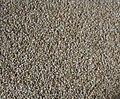 Food Grain Foxtail Millet
 -
 Japanese Foxtail Millet
 -
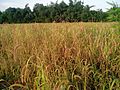 Foxtail Millet
 -
 Setaria italica (L.) P.Beauv., 1804

.jpg)


_P.Beauv.,_1804.jpg)
Medical Disclaimer: WikiMD is for informational purposes only and is not a substitute for professional medical advice. Content may be inaccurate or outdated and should not be used for diagnosis or treatment. Always consult your healthcare provider for medical decisions. Verify information with trusted sources such as CDC.gov and NIH.gov. By using this site, you agree that WikiMD is not liable for any outcomes related to its content. See full disclaimer.
Credits:Most images are courtesy of Wikimedia commons, and templates, categories Wikipedia, licensed under CC BY SA or similar.
Translate this page: - East Asian
中文,
日本,
한국어,
South Asian
हिन्दी,
தமிழ்,
తెలుగు,
Urdu,
ಕನ್ನಡ,
Southeast Asian
Indonesian,
Vietnamese,
Thai,
မြန်မာဘာသာ,
বাংলা
European
español,
Deutsch,
français,
Greek,
português do Brasil,
polski,
română,
русский,
Nederlands,
norsk,
svenska,
suomi,
Italian
Middle Eastern & African
عربى,
Turkish,
Persian,
Hebrew,
Afrikaans,
isiZulu,
Kiswahili,
Other
Bulgarian,
Hungarian,
Czech,
Swedish,
മലയാളം,
मराठी,
ਪੰਜਾਬੀ,
ગુજરાતી,
Portuguese,
Ukrainian
