Epithelial dysplasia
Epithelial dysplasia is a medical condition characterized by the abnormal growth and development of epithelial cells. It is often associated with a higher risk of cancer, particularly in the oral cavity and cervix.
Definition[edit]
Epithelial dysplasia refers to the abnormal development or growth of epithelial cells, which line the outer surfaces of organs and blood vessels throughout the body, as well as the inner surfaces of cavities in many internal organs. This condition is often associated with a higher risk of cancer, particularly in the oral cavity and cervix.
Types[edit]
There are several types of epithelial dysplasia, including:
- Oral epithelial dysplasia - This type of dysplasia occurs in the mouth and is often associated with a higher risk of oral cancer.
- Cervical epithelial dysplasia - This type of dysplasia occurs in the cervix and is often associated with a higher risk of cervical cancer.
Causes[edit]
The exact cause of epithelial dysplasia is unknown, but it is thought to be related to chronic irritation or inflammation. Other potential causes include exposure to certain chemicals or toxins, and certain genetic conditions.
Symptoms[edit]
The symptoms of epithelial dysplasia can vary depending on the location and severity of the condition. Some people may not experience any symptoms, while others may experience pain, discomfort, or changes in the appearance of the affected area.
Diagnosis[edit]
Epithelial dysplasia is typically diagnosed through a biopsy, in which a small sample of tissue is removed and examined under a microscope. Other diagnostic tests may include imaging studies, such as X-rays or CT scans, and blood tests.
Treatment[edit]
The treatment for epithelial dysplasia depends on the location and severity of the condition. Treatment options may include surgery to remove the abnormal cells, radiation therapy, or chemotherapy. In some cases, no treatment may be necessary, but regular monitoring will be required to check for any changes in the condition.
See also[edit]

This WikiMD article can only be edited by registered and verified editors. You can log in or register.
-
 Histopathology of anal epithelium with normal histology, low-grade dysplasia, high-grade dysplasia, and squamous cell carcinoma
 -
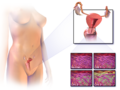 Cervical Dysplasia


Medical Disclaimer: WikiMD is for informational purposes only and is not a substitute for professional medical advice. Content may be inaccurate or outdated and should not be used for diagnosis or treatment. Always consult your healthcare provider for medical decisions. Verify information with trusted sources such as CDC.gov and NIH.gov. By using this site, you agree that WikiMD is not liable for any outcomes related to its content. See full disclaimer.
Credits:Most images are courtesy of Wikimedia commons, and templates, categories Wikipedia, licensed under CC BY SA or similar.
Translate page: - East Asian
中文,
日本,
한국어,
South Asian
हिन्दी,
தமிழ்,
తెలుగు,
Urdu,
ಕನ್ನಡ,
Southeast Asian
Indonesian,
Vietnamese,
Thai,
မြန်မာဘာသာ,
বাংলা
European
español,
Deutsch,
français,
Greek,
português do Brasil,
polski,
română,
русский,
Nederlands,
norsk,
svenska,
suomi,
Italian
Middle Eastern & African
عربى,
Turkish,
Persian,
Hebrew,
Afrikaans,
isiZulu,
Kiswahili,
Other
Bulgarian,
Hungarian,
Czech,
Swedish,
മലയാളം,
मराठी,
ਪੰਜਾਬੀ,
ગુજરાતી,
Portuguese,
Ukrainian

