Microbial ecology
Microbial ecology is the study of the interactions of microorganisms with their environment, each other, and plant and animal species. It includes the study of symbioses, biogeochemical cycles, and the interaction of microbes with anthropogenic effects such as pollution and climate change.
Overview[edit]
Microbial ecology seeks to understand the role of microbes in ecosystems, which can be any environment in which organisms interact with each other and the environment. This includes natural environments such as oceans, soils, and forests, as well as man-made environments such as bioreactors.
Microbes, which include bacteria, archaea, viruses, fungi, prions, protozoa and algae, inhabit every surface of Earth that contains liquid water. They are found in a wide range of environments, from the poles to the equator, from the deep sea to the highest mountain peaks, and in both freshwater and saltwater environments.
History[edit]
The field of microbial ecology was pioneered by scientists like Sergei Winogradsky and Martinus Beijerinck in the late 19th and early 20th centuries. They were among the first to realize that microbes play critical roles in the cycling of elements such as nitrogen and carbon.
Microbial interactions[edit]
Microbes interact with each other in complex ways. Some of these interactions are cooperative, such as symbiosis and mutualism, while others are competitive, such as parasitism and predation. Microbes also interact with plants and animals, often in symbiotic relationships.
Biogeochemical cycles[edit]
Microbes play a critical role in biogeochemical cycles, the processes by which elements are cycled between the land, water, atmosphere, and living organisms. They are key players in the carbon cycle, nitrogen cycle, sulfur cycle, and phosphorus cycle.
Human impact[edit]
Human activities have a significant impact on microbial ecosystems. Pollution, habitat destruction, and climate change can all disrupt microbial communities and the processes they carry out.
See also[edit]
References[edit]

This WikiMD article can only be edited by registered and verified editors. You can log in or register.
-
 Diagram illustrating the great plate count anomaly in microbial ecology
 -
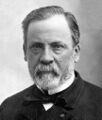 Portrait of Louis Pasteur, a pioneer in microbiology
 -
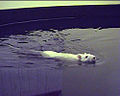 Diagram of the Morris water maze, a behavioral experiment used in neuroscience


Medical Disclaimer: WikiMD is for informational purposes only and is not a substitute for professional medical advice. Content may be inaccurate or outdated and should not be used for diagnosis or treatment. Always consult your healthcare provider for medical decisions. Verify information with trusted sources such as CDC.gov and NIH.gov. By using this site, you agree that WikiMD is not liable for any outcomes related to its content. See full disclaimer.
Credits:Most images are courtesy of Wikimedia commons, and templates, categories Wikipedia, licensed under CC BY SA or similar.
Translate page: - East Asian
中文,
日本,
한국어,
South Asian
हिन्दी,
தமிழ்,
తెలుగు,
Urdu,
ಕನ್ನಡ,
Southeast Asian
Indonesian,
Vietnamese,
Thai,
မြန်မာဘာသာ,
বাংলা
European
español,
Deutsch,
français,
Greek,
português do Brasil,
polski,
română,
русский,
Nederlands,
norsk,
svenska,
suomi,
Italian
Middle Eastern & African
عربى,
Turkish,
Persian,
Hebrew,
Afrikaans,
isiZulu,
Kiswahili,
Other
Bulgarian,
Hungarian,
Czech,
Swedish,
മലയാളം,
मराठी,
ਪੰਜਾਬੀ,
ગુજરાતી,
Portuguese,
Ukrainian

