Dementia praecox
Dementia praecox is a historical term that was once used to describe a mental disorder that is now known as schizophrenia. The term was first used by German psychiatrist Emil Kraepelin in the late 19th century.
History[edit]
The term "dementia praecox" was first used by Emil Kraepelin in the 19th century. Kraepelin was a German psychiatrist who is often credited with laying the foundations for contemporary psychiatric diagnosis. He used the term to describe a mental disorder characterized by early onset, intellectual deterioration, and poor prognosis.
Symptoms[edit]
The symptoms of dementia praecox, as described by Kraepelin, included a rapid onset of symptoms, a progressive course, and a poor prognosis. These symptoms were thought to be similar to those of dementia, but occurred at an earlier age, hence the term "praecox", which means "early" in Latin.
Modern Understanding[edit]
Today, dementia praecox is no longer used as a diagnostic term. Instead, the symptoms that Kraepelin described are now understood to be part of schizophrenia, a mental disorder characterized by distortions in thinking, perception, emotions, language, sense of self and behavior.
See Also[edit]
References[edit]

This WikiMD article can only be edited by registered and verified editors. You can log in or register.
-
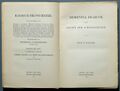 Eugen Bleuler, 1911
 -
Benedict Augustin Morel (1809–1873)
-
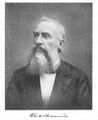 Karl Ludwig Kahlbaum
 -
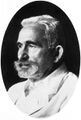 Emil Kraepelin, 1926
 -
Cartoon by Emil Kraepelin
-
Dementia praecox


Medical Disclaimer: WikiMD is for informational purposes only and is not a substitute for professional medical advice. Content may be inaccurate or outdated and should not be used for diagnosis or treatment. Always consult your healthcare provider for medical decisions. Verify information with trusted sources such as CDC.gov and NIH.gov. By using this site, you agree that WikiMD is not liable for any outcomes related to its content. See full disclaimer.
Credits:Most images are courtesy of Wikimedia commons, and templates, categories Wikipedia, licensed under CC BY SA or similar.
Translate page: - East Asian
中文,
日本,
한국어,
South Asian
हिन्दी,
தமிழ்,
తెలుగు,
Urdu,
ಕನ್ನಡ,
Southeast Asian
Indonesian,
Vietnamese,
Thai,
မြန်မာဘာသာ,
বাংলা
European
español,
Deutsch,
français,
Greek,
português do Brasil,
polski,
română,
русский,
Nederlands,
norsk,
svenska,
suomi,
Italian
Middle Eastern & African
عربى,
Turkish,
Persian,
Hebrew,
Afrikaans,
isiZulu,
Kiswahili,
Other
Bulgarian,
Hungarian,
Czech,
Swedish,
മലയാളം,
मराठी,
ਪੰਜਾਬੀ,
ગુજરાતી,
Portuguese,
Ukrainian


.gif)

