Dopamine receptor D1
Dopamine receptor D1 (also known as DRD1) is one of the five main dopamine receptors in the human body. It is a G protein-coupled receptor that is primarily located in the striatum, a component of the basal ganglia in the brain. The receptor is activated by the neurotransmitter dopamine, which is a key player in the brain's reward system and is involved in the regulation of mood, motivation, and attention.
Structure[edit]
The structure of the DRD1 receptor is similar to that of other G protein-coupled receptors. It consists of seven transmembrane domains, an extracellular N-terminus, and an intracellular C-terminus. The receptor's binding site for dopamine is located within the transmembrane domains.
Function[edit]
Upon activation by dopamine, the DRD1 receptor stimulates the production of cyclic AMP (cAMP) via the activation of an enzyme called adenylyl cyclase. This leads to a series of intracellular events that ultimately result in changes in neuronal activity. The DRD1 receptor is particularly important in the regulation of motor control, cognition, and reward.
Clinical significance[edit]
Alterations in the function or expression of the DRD1 receptor have been implicated in a number of neurological and psychiatric disorders, including Parkinson's disease, schizophrenia, and drug addiction. For example, in Parkinson's disease, the loss of dopamine-producing neurons leads to a decrease in the activation of DRD1 receptors, contributing to the motor symptoms of the disease. In schizophrenia, it is thought that an overactivity of DRD1 receptors may contribute to the positive symptoms of the disease, such as hallucinations and delusions.
Pharmacology[edit]
Several drugs have been developed that target the DRD1 receptor. These include agonists, which activate the receptor, and antagonists, which block the receptor. Agonists are used in the treatment of Parkinson's disease to increase the activation of DRD1 receptors, while antagonists are used in the treatment of schizophrenia to decrease the overactivity of the receptors.
See also[edit]
This GPCR-related article is a stub. You can help WikiMD by expanding it.
 | This neuroscience article is a stub. You can help WikiMD by expanding the page. |
-
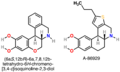 D1 agonists
 -
 Dopamine D1 receptor in complex with agonist dopamine


Advertise on WikiMD — 81,000+ full articles, ~900,000 total pages, ~250 million page views. Global reach, limited time promotional rates from $1/page/day. Learn more · View stats

Medical Disclaimer: WikiMD is for informational purposes only and is not a substitute for professional medical advice. Content may be inaccurate or outdated and should not be used for diagnosis or treatment. Always consult your healthcare provider for medical decisions. Verify information with trusted sources such as CDC.gov and NIH.gov. By using this site, you agree that WikiMD is not liable for any outcomes related to its content. See full disclaimer.
Credits:Most images are courtesy of Wikimedia commons, and templates, categories Wikipedia, licensed under CC BY SA or similar.
Translate page: - East Asian
中文,
日本,
한국어,
South Asian
हिन्दी,
தமிழ்,
తెలుగు,
Urdu,
ಕನ್ನಡ,
Southeast Asian
Indonesian,
Vietnamese,
Thai,
မြန်မာဘာသာ,
বাংলা
European
español,
Deutsch,
français,
Greek,
português do Brasil,
polski,
română,
русский,
Nederlands,
norsk,
svenska,
suomi,
Italian
Middle Eastern & African
عربى,
Turkish,
Persian,
Hebrew,
Afrikaans,
isiZulu,
Kiswahili,
Other
Bulgarian,
Hungarian,
Czech,
Swedish,
മലയാളം,
मराठी,
ਪੰਜਾਬੀ,
ગુજરાતી,
Portuguese,
Ukrainian

