Copaiba
Copaiba is a stimulant oleoresin obtained from the trunk of several pinnate-leaved South American leguminous trees found in the genus Copaifera. The thick, transparent exudate varies in color from light gold to dark brown, depending on the ratio of resin to essential oil. Copaiba is used in making varnishes and lacquers.
Description[edit]
The copaiba tree grows in the wild throughout tropical South America. The trees are harvested for their oleoresin, a fluid stored in the plant's cells. When the trunk of the tree is tapped, the oleoresin is released and collected. The oleoresin has a bitter taste and a slight odor.
Uses[edit]
Copaiba oleoresin has been used in traditional medicine by indigenous people of the Amazon. It is used to treat a variety of ailments, including inflammation, skin disorders, respiratory problems, and urinary tract infections. In addition, it is used in the cosmetic industry for its anti-inflammatory, antimicrobial, and emollient properties.
Chemical Composition[edit]
The oleoresin consists of a mixture of several different compounds, including sesquiterpenes, diterpenes, and phenolic compounds. The most abundant compound in copaiba oleoresin is caryophyllene, a sesquiterpene that has been shown to have anti-inflammatory and analgesic properties.
Safety and Side Effects[edit]
While copaiba is generally considered safe when used as directed, it can cause side effects in some people. These can include stomach upset, rash, and diarrhea. It is recommended to consult with a healthcare provider before starting any new treatment.
See Also[edit]
References[edit]

This WikiMD article can only be edited by registered and verified editors. You can log in or register.
-
 Copaiba tree in acclimation
 -
 Copaiba oleoresin
 -
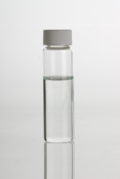 Copaiba essential oil
 -
 Copaiba illustration from Fox Plate XIV


Sponsored Health Resource

W8MD Weight Loss, Sleep & MedSpa
Looking for physician-supervised weight loss, semaglutide, tirzepatide, or GLP-1 receptor agonist options? W8MD helps eligible patients in New York City, Brooklyn, New Jersey, Connecticut, Pennsylvania, Delaware, and greater Philadelphia with medical weight loss, sleep medicine, and long-term maintenance support.
GLP-1 specials: Affordable GLP-1 injections NYC and Philadelphia starting from $29.99/week and up for semaglutide with insurance accepted for qualifying visits, and $45/week and up for tirzepatide with insurance accepted for qualifying visits. Self-pay options start from $59.99/week and up for semaglutide and $69.99/week and up for tirzepatide.
Medical weight loss NYC | Affordable GLP-1 injections NYC | Budget GLP-1 weight loss shots Philadelphia | New Jersey medical weight loss | NYC medical weight loss | Philadelphia medical weight loss | Sleep clinic NYC | W8MD's Philadelphia GLP-1 doctor | Weight loss prescriptions NYC
Book a W8MD appointment · View GLP-1 specials
Paid promotional message. Eligibility, pricing, insurance coverage, medication availability, and results vary. Medical evaluation required.

Medical Disclaimer: WikiMD is for informational purposes only and is not a substitute for professional medical advice. Content may be inaccurate or outdated and should not be used for diagnosis or treatment. Always consult your healthcare provider for medical decisions. Verify information with trusted sources such as CDC.gov and NIH.gov. By using this site, you agree that WikiMD is not liable for any outcomes related to its content. See full disclaimer.
Credits:Most images are courtesy of Wikimedia commons, and templates, categories Wikipedia, licensed under CC BY SA or similar.
Translate page: - East Asian
中文,
日本,
한국어,
South Asian
हिन्दी,
தமிழ்,
తెలుగు,
Urdu,
ಕನ್ನಡ,
Southeast Asian
Indonesian,
Vietnamese,
Thai,
မြန်မာဘာသာ,
বাংলা
European
español,
Deutsch,
français,
Greek,
português do Brasil,
polski,
română,
русский,
Nederlands,
norsk,
svenska,
suomi,
Italian
Middle Eastern & African
عربى,
Turkish,
Persian,
Hebrew,
Afrikaans,
isiZulu,
Kiswahili,
Other
Bulgarian,
Hungarian,
Czech,
Swedish,
മലയാളം,
मराठी,
ਪੰਜਾਬੀ,
ગુજરાતી,
Portuguese,
Ukrainian

