Citrus psorosis ophiovirus
Citrus Psorosis Ophiovirus (CPOV) is a plant pathogen that specifically targets citrus species, causing the disease known as citrus psorosis. This disease is characterized by symptoms such as bark scaling, leaf spotting, and the eventual decline of the tree's health. Citrus psorosis has been a significant concern for citrus production globally, affecting the quality and quantity of citrus fruits. The virus belongs to the genus Ophiovirus, which comprises viruses with filamentous, segmented, negative-sense RNA genomes.
Symptoms and Diagnosis[edit]
The primary symptoms of citrus psorosis include bark scaling on the branches and trunk, which can lead to the exposure of the inner wood. Additionally, infected trees may exhibit leaf spotting and chlorotic patterns, along with reduced fruit size and quality. In severe cases, the disease can cause tree decline and death over several years. Diagnosis of CPOV infection is typically conducted through molecular techniques such as reverse transcription polymerase chain reaction (RT-PCR) to detect the presence of the virus's RNA in the plant tissue.
Transmission and Spread[edit]
Citrus psorosis ophiovirus is spread primarily through grafting of infected plant material, which is a common practice in citrus propagation. The virus can also be transmitted by mechanical means, such as through the use of contaminated pruning tools. There is no evidence to suggest that CPOV is transmitted by insects or other vectors. The spread of the virus within orchards and across regions poses a significant challenge to citrus production, necessitating strict sanitation and management practices to prevent its dissemination.
Management[edit]
Management of citrus psorosis involves several strategies aimed at minimizing the spread and impact of the virus. These include:
- Use of Virus-Free Planting Material: Ensuring that all propagation material is free from CPOV is crucial in preventing the establishment and spread of the virus in orchards.
- Rogueing: Infected trees should be identified and removed from orchards to reduce the source of the virus.
- Sanitation: Tools and equipment should be disinfected regularly to prevent mechanical transmission of the virus.
- Resistant Varieties: Research into breeding and developing citrus varieties with resistance to CPOV is ongoing and represents a promising approach to managing the disease.
Economic Impact[edit]
The economic impact of citrus psorosis is significant, particularly in regions where citrus production is a major agricultural activity. The disease can lead to substantial losses in yield and fruit quality, which in turn affects the profitability of citrus orchards. Additionally, the costs associated with managing the disease, including the removal and replacement of infected trees, further contribute to the economic burden on growers.
Research and Future Directions[edit]
Research on citrus psorosis ophiovirus is focused on understanding the virus's biology, transmission mechanisms, and interactions with its host plants. Efforts are also directed towards developing diagnostic tools for early detection of the virus and breeding citrus varieties with resistance to CPOV. Advances in biotechnology, such as gene editing, offer potential new avenues for controlling the spread of citrus psorosis and mitigating its impact on citrus production.

See Also[edit]
References[edit]
<references/>
External Links[edit]
- Citrus Research Board - Information on research and management strategies for citrus psorosis and other citrus diseases.
- International Plant Protection Convention (IPPC) - Resources on global plant health standards and measures to prevent the spread of plant pests and diseases.

This article is a agriculture stub. You can help WikiMD by expanding it!
-
Citrus psorosis ophiovirus
-
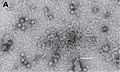 Citrus psorosis ophiovirus

Ad. Transform your life with W8MD's
GLP-1 weight loss injections special from $29.99 with insurance
|
WikiMD Medical Encyclopedia |
Medical Disclaimer: WikiMD is for informational purposes only and is not a substitute for professional medical advice. Content may be inaccurate or outdated and should not be used for diagnosis or treatment. Always consult your healthcare provider for medical decisions. Verify information with trusted sources such as CDC.gov and NIH.gov. By using this site, you agree that WikiMD is not liable for any outcomes related to its content. See full disclaimer.
Credits:Most images are courtesy of Wikimedia commons, and templates, categories Wikipedia, licensed under CC BY SA or similar.
Translate this page: - East Asian
中文,
日本,
한국어,
South Asian
हिन्दी,
தமிழ்,
తెలుగు,
Urdu,
ಕನ್ನಡ,
Southeast Asian
Indonesian,
Vietnamese,
Thai,
မြန်မာဘာသာ,
বাংলা
European
español,
Deutsch,
français,
Greek,
português do Brasil,
polski,
română,
русский,
Nederlands,
norsk,
svenska,
suomi,
Italian
Middle Eastern & African
عربى,
Turkish,
Persian,
Hebrew,
Afrikaans,
isiZulu,
Kiswahili,
Other
Bulgarian,
Hungarian,
Czech,
Swedish,
മലയാളം,
मराठी,
ਪੰਜਾਬੀ,
ગુજરાતી,
Portuguese,
Ukrainian

