Cinnarizine
Cinnarizine is a medication primarily used to treat nausea and vomiting, and to prevent and treat vertigo and other symptoms of balance disorders. It is also used to treat migraines and to improve memory and attention in the elderly.
Pharmacology[edit]
Cinnarizine is a calcium channel blocker and an antihistamine. It works by preventing the tightening of the blood vessels in the brain, which helps to reduce the frequency and severity of migraines. As an antihistamine, it reduces the effects of natural chemical histamine in the body, which can lead to symptoms such as sneezing, itching, watery eyes, and runny nose.
Side Effects[edit]
Common side effects of cinnarizine include drowsiness, nausea, dry mouth, and weight gain. In rare cases, it can cause serious side effects such as jaundice, anemia, and liver disease. If you experience any of these side effects, you should contact your doctor immediately.
Interactions[edit]
Cinnarizine may interact with other medications, including antidepressants, antipsychotics, and antihistamines. It is important to tell your doctor about all the medications you are currently taking to avoid potential interactions.
Dosage[edit]
The dosage of cinnarizine depends on the condition being treated. It is usually taken with or without food. The usual dose for adults is 25 to 50 mg three times a day. For children, the dose is usually lower.
Precautions[edit]
Before taking cinnarizine, tell your doctor if you have any allergies or if you have a history of liver disease, kidney disease, or heart disease. It is also important to tell your doctor if you are pregnant, planning to become pregnant, or breastfeeding.
See Also[edit]

This WikiMD article can only be edited by registered and verified editors. You can log in or register.
Cinnarizine[edit]
-
 Cinnarizine
 -
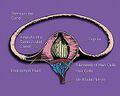 Vestibular system's semicircular canal - a cross-section


Medical Disclaimer: WikiMD is for informational purposes only and is not a substitute for professional medical advice. Content may be inaccurate or outdated and should not be used for diagnosis or treatment. Always consult your healthcare provider for medical decisions. Verify information with trusted sources such as CDC.gov and NIH.gov. By using this site, you agree that WikiMD is not liable for any outcomes related to its content. See full disclaimer.
Credits:Most images are courtesy of Wikimedia commons, and templates, categories Wikipedia, licensed under CC BY SA or similar.
Translate page: - East Asian
中文,
日本,
한국어,
South Asian
हिन्दी,
தமிழ்,
తెలుగు,
Urdu,
ಕನ್ನಡ,
Southeast Asian
Indonesian,
Vietnamese,
Thai,
မြန်မာဘာသာ,
বাংলা
European
español,
Deutsch,
français,
Greek,
português do Brasil,
polski,
română,
русский,
Nederlands,
norsk,
svenska,
suomi,
Italian
Middle Eastern & African
عربى,
Turkish,
Persian,
Hebrew,
Afrikaans,
isiZulu,
Kiswahili,
Other
Bulgarian,
Hungarian,
Czech,
Swedish,
മലയാളം,
मराठी,
ਪੰਜਾਬੀ,
ગુજરાતી,
Portuguese,
Ukrainian

