Chick sexing
Chick sexing is the process of determining the sex of chicken chicks. This practice is crucial in the poultry industry, where the sex of the chicks can determine their future roles, either as egg-laying hens or for meat production. Chick sexing is a skilled task, often requiring specialized training to perform accurately.
History[edit]
The practice of chick sexing began in Japan in the 1920s and gradually spread to other parts of the world. Initially, the poultry industry had no reliable method to determine the sex of chicks, which led to inefficiencies in raising chickens for specific purposes. The development of chick sexing techniques revolutionized the industry, allowing for the separate rearing of layers and broilers, thus optimizing resources and improving productivity.
Techniques[edit]
There are two main techniques used in chick sexing: vent sexing and feather sexing.
Vent Sexing[edit]
Vent sexing, also known as cloacal sexing, involves examining the chick's vent (the external opening of the cloaca) to identify gender-specific characteristics. This method requires the handler to gently squeeze the chick, expelling fecal matter, and then inspect the shape and size of the copulatory organ. Vent sexing has a high accuracy rate but requires significant skill and training to perform correctly without harming the chick.
Feather Sexing[edit]
Feather sexing is based on differences in the length of the wing feathers between male and female chicks of certain breeds. In these breeds, females have a gene that causes their primary wing feathers to grow faster than those of males. This method can only be used in specific breeds and is less invasive than vent sexing. However, it requires the chicks to be of a breed that has been genetically selected for this trait.
Ethical Considerations[edit]
Chick sexing has raised ethical concerns, particularly regarding the fate of male chicks in the egg-laying industry. Since they do not lay eggs and are not bred to be as efficient for meat production as broilers, male chicks are often culled shortly after hatching. Various alternatives to culling, such as in-ovo sex determination techniques, are being researched and developed to address these concerns.
Training and Skill[edit]
Becoming a proficient chick sexer requires extensive training, often taking weeks to months of practice under the guidance of experienced professionals. The skill is highly valued in the poultry industry due to the precision and speed required to sex a large number of chicks within a short time frame.
Future Developments[edit]
Research into more humane and efficient sexing methods continues, with technologies such as in-ovo sexing offering the potential to determine the sex of a chick before it hatches. These advancements could significantly reduce the need for manual sexing and the associated ethical issues.
.png) | This animal-related article is a stub. You can help WikiMD by expanding the page. |
-
 Chick sexing training school
 -
 Chicken sexing in Wenchang
 -
 Chick sexing
 -
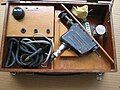 Keeler Optical Sexer


Medical Disclaimer: WikiMD is for informational purposes only and is not a substitute for professional medical advice. Content may be inaccurate or outdated and should not be used for diagnosis or treatment. Always consult your healthcare provider for medical decisions. Verify information with trusted sources such as CDC.gov and NIH.gov. By using this site, you agree that WikiMD is not liable for any outcomes related to its content. See full disclaimer.
Credits:Most images are courtesy of Wikimedia commons, and templates, categories Wikipedia, licensed under CC BY SA or similar.
Translate page: - East Asian
中文,
日本,
한국어,
South Asian
हिन्दी,
தமிழ்,
తెలుగు,
Urdu,
ಕನ್ನಡ,
Southeast Asian
Indonesian,
Vietnamese,
Thai,
မြန်မာဘာသာ,
বাংলা
European
español,
Deutsch,
français,
Greek,
português do Brasil,
polski,
română,
русский,
Nederlands,
norsk,
svenska,
suomi,
Italian
Middle Eastern & African
عربى,
Turkish,
Persian,
Hebrew,
Afrikaans,
isiZulu,
Kiswahili,
Other
Bulgarian,
Hungarian,
Czech,
Swedish,
മലയാളം,
मराठी,
ਪੰਜਾਬੀ,
ગુજરાતી,
Portuguese,
Ukrainian

