Central neurogenic hyperventilation
Central neurogenic hyperventilation (CNH) is a rare respiratory disorder characterized by a sustained pattern of rapid and deep breathing, resulting from brain dysfunction. Unlike other forms of hyperventilation, which can be voluntary or due to anxiety, CNH is driven by damage or malfunction within the central nervous system.
Causes[edit]
CNH is most commonly associated with severe brain injury, brainstem lesions, or neurological diseases that affect the brain's ability to regulate breathing. Conditions that have been linked to CNH include brain tumors, encephalitis, stroke, and traumatic brain injury. The exact mechanism by which these conditions lead to CNH is not fully understood, but it is believed to involve the disruption of the neural pathways that control breathing.
Symptoms[edit]
The primary symptom of CNH is a pattern of rapid and deep breathing that is constant and does not vary with physical activity or sleep. This can lead to alkalosis, a condition in which the blood becomes too alkaline due to the excessive loss of carbon dioxide. Other symptoms may include difficulty in speaking, confusion, and a general deterioration in neurological function.
Diagnosis[edit]
Diagnosis of CNH involves a thorough medical history and physical examination, along with diagnostic tests to assess respiratory function and identify potential underlying causes. Imaging studies such as MRI or CT scans of the brain may be used to detect abnormalities in the brainstem or other areas that could be causing the hyperventilation. Blood tests may also be conducted to measure levels of carbon dioxide and other gases in the blood.
Treatment[edit]
Treatment of CNH focuses on managing the underlying condition that is causing the hyperventilation. This may involve surgery to remove a brain tumor, medication to treat an infection, or other interventions aimed at reducing brain swelling and pressure. In some cases, breathing may need to be supported mechanically until the underlying condition can be addressed.
Prognosis[edit]
The prognosis for individuals with CNH varies depending on the underlying cause and the severity of the condition. In some cases, treating the underlying condition can lead to a significant improvement in symptoms and quality of life. However, in cases where the damage to the brain is severe, the prognosis may be poor.
 | This medical article is a stub. You can help WikiMD by expanding the page. |
-
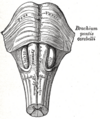 Central neurogenic hyperventilation
 -
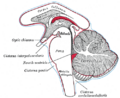 Central neurogenic hyperventilation
 -
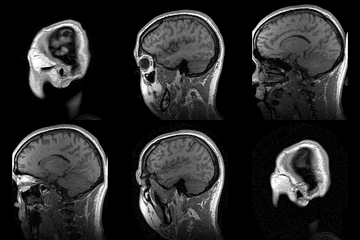 Central neurogenic hyperventilation


.gif)

Medical Disclaimer: WikiMD is for informational purposes only and is not a substitute for professional medical advice. Content may be inaccurate or outdated and should not be used for diagnosis or treatment. Always consult your healthcare provider for medical decisions. Verify information with trusted sources such as CDC.gov and NIH.gov. By using this site, you agree that WikiMD is not liable for any outcomes related to its content. See full disclaimer.
Credits:Most images are courtesy of Wikimedia commons, and templates, categories Wikipedia, licensed under CC BY SA or similar.
Translate page: - East Asian
中文,
日本,
한국어,
South Asian
हिन्दी,
தமிழ்,
తెలుగు,
Urdu,
ಕನ್ನಡ,
Southeast Asian
Indonesian,
Vietnamese,
Thai,
မြန်မာဘာသာ,
বাংলা
European
español,
Deutsch,
français,
Greek,
português do Brasil,
polski,
română,
русский,
Nederlands,
norsk,
svenska,
suomi,
Italian
Middle Eastern & African
عربى,
Turkish,
Persian,
Hebrew,
Afrikaans,
isiZulu,
Kiswahili,
Other
Bulgarian,
Hungarian,
Czech,
Swedish,
മലയാളം,
मराठी,
ਪੰਜਾਬੀ,
ગુજરાતી,
Portuguese,
Ukrainian

